shripadmaconsultancy.com

Shripadma Consultancy, Nashik

Shripadma Consultancy, Nashik

Petrified Wood

Petrified wood is a tree fossil formed by replacement of the organic material of a tree by minerals, typically silica, quartz and iron. The wood turns into stone before it can decompose, while maintaining the original structure. Mineral impurities result in display of vibrant colors. Anaerobic environment prevents the decay process caused by bacteria and fungi. Minerals replace the organic wood material, molecule by molecule preserving the wood’s original structure, including its rings, bark, and cellular details. Petrified wood is used in decorative items like bookends, paperweights, and even countertops due to its beauty and unique patterns. It is believed to offer several benefits such as grounding, calming, and strengthening one’s connection to the earth. It is also associated with promoting physical healing, particularly for the skeletal system, and aiding in emotional stability and overcoming fear.

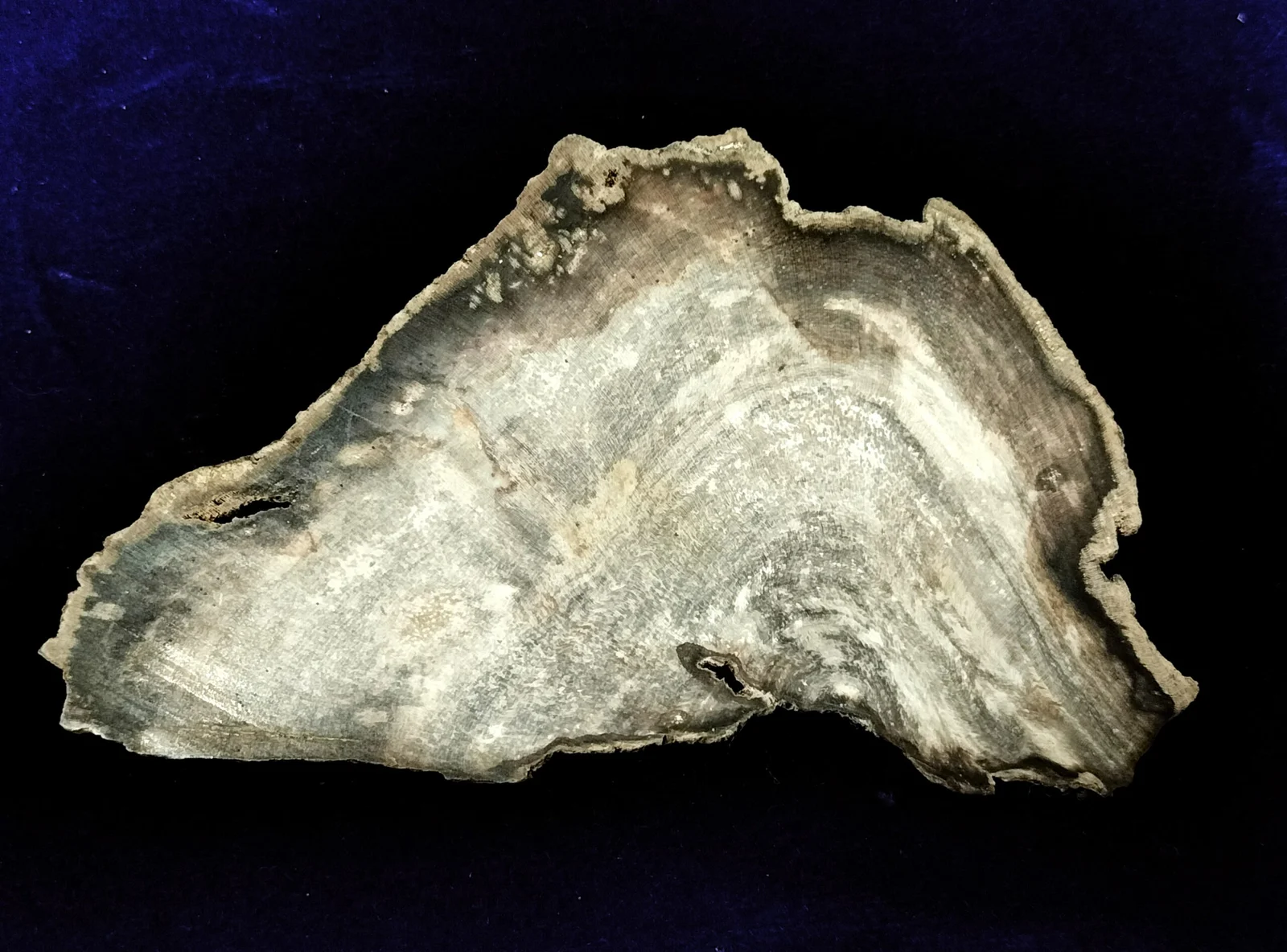
Petrified wood slice

This frozen wave of ancient wood is sliced to reveal the secret diary of the earth! The specimen is a flat, polished slice of petrified wood that showcases a smooth surface with visible growth rings and graceful shifts of grey, brown, and white mineral patterns. Petrified wood forms when fallen trees are buried under sediment or volcanic ash, protecting them from decay as silica-rich groundwater gradually replaces the organic matter with stone over millions of years. Polished slices are widely used as stunning decorative art pieces, coasters, tabletop features, or collectible mineral specimens. In crystal healing and meditation, petrified wood is valued as a stabilizing stone that promotes deep grounding, patience, and inner strength. Slices and segments can be further cut, shaped, or polished for unique wire-wrapped jewelry and artisanal displays and lapidary crafts.

View Details »

Petrified Wood raw stone

Where a living breath once stirred the leaves, now sleeps a timeless heart of crystal! This specimen is a cross-section of a fossilized tree trunk that clearly displays its organic growth rings, cellular structure, and outer bark. Over millions of years, the original organic wood tissue has been entirely replaced by microcrystalline quartz (silica), infused with natural earth tones of white, beige, and earthy brown. Petrified wood typically forms when fallen trees are rapidly buried by river sediments, volcanic ash, or mudflows, protecting them from decay. Groundwater rich in dissolved silica flows through the buried organic matter, replacing the wood cell-by-cell with stone. It is commonly found globally in ancient floodplains, deserts, and volcanic regions. High-quality petrified wood can be cut, shaped, and polished into cabochons, beads, rings, and pendants. Larger polished slabs, cross-sections, and bookends are heavily sought after as luxury decorative art, statement table tops, and collectible display pieces. In crystal healing, meditation, and Feng Shui, petrified wood is valued as a stone of patience, stability, and deep grounding. It is symbolically used to encourage a calm perspective, resilience, and a steady pace through life’s changes.

View Details »

Petrified wood tumble stones

These tumble stones are smooth fragments of forgotten forests, carrying the silent whispers of ancient earth in the palm of your hand! These polished tumbled stones of petrified wood showcase smooth, rounded contours that highlight the fine wood grain patterns and earthy tones in shades of cream, beige, and dark brown. Petrified wood forms when ancient trees are buried beneath sediments, volcanic ash, or mud, allowing silica-rich groundwater to slowly replace organic material with stone over millions of years, commonly found in sedimentary and volcanic deposits globally. They are frequently used in meditation and crystal healing as a stone of grounding, patience, and deep-rooted stability. Their smooth, tumbled form makes them ideal for carrying in a pocket, placing on a desk or altar, or incorporating into grids and energy work. They are often utilized for wire-wrapping, making artisanal jewelry pieces, or as tactile worry stones.

View Details »