shripadmaconsultancy.com

Serpentine

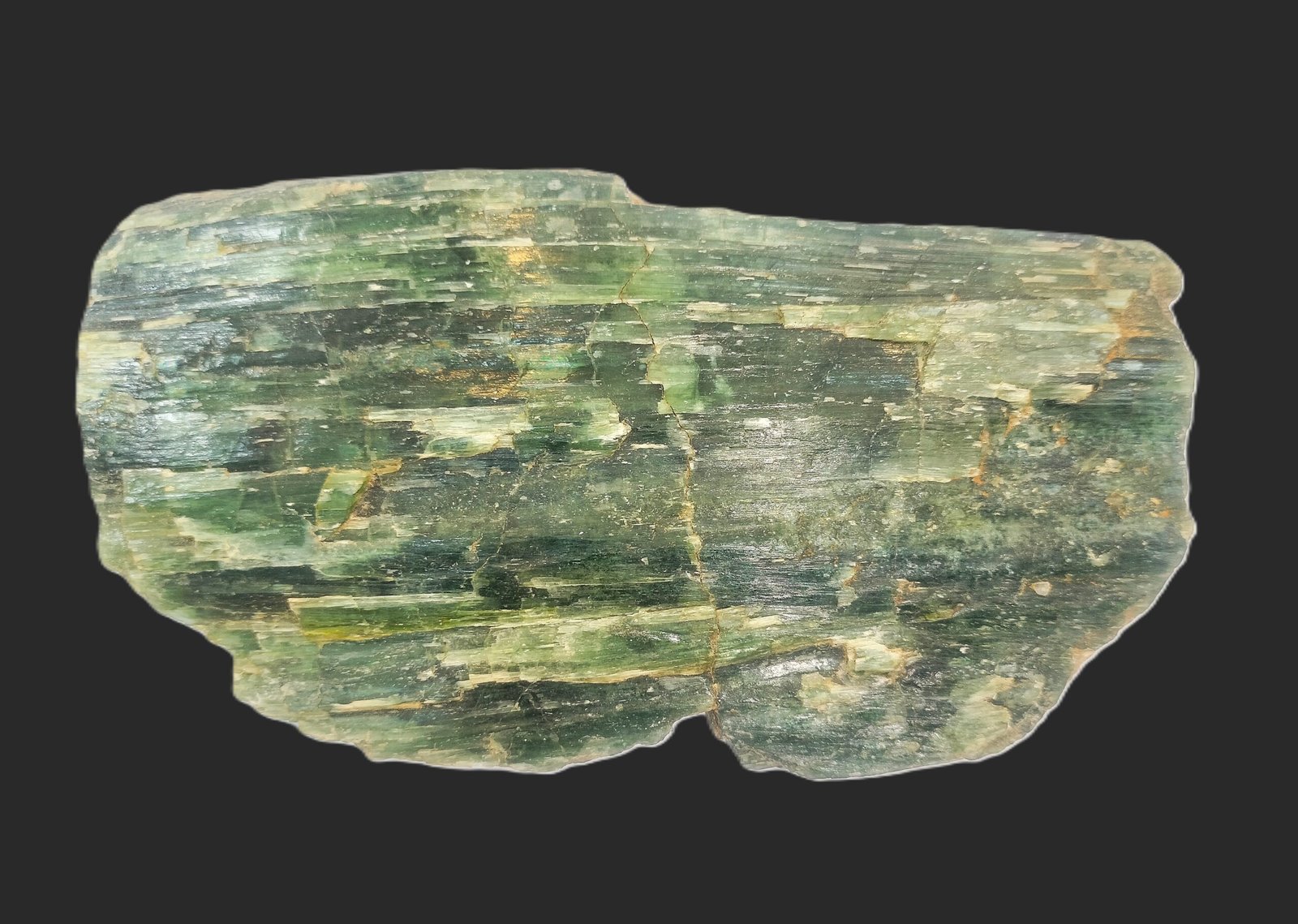
This ancient, moss-covered forest is frozen in time and polished to a silken cradle of life! Serpentine is a mineral subgroup of the metamorphic rock “Serpentinite” and consists of over 20 mineral polymorphs including antigorite, lizardite and chrysotile. These polymorphs have same chemical formula but differ in crystal lattice structure. For example, Antigorite and lizardite have platy habit, while Chrysotile has a fibrous habit. Chemically it is composed of rock-forming hydrous magnesium iron phyllosilicates and minor amounts of other elements including chromium, manganese, cobalt or nickel. It is formed by serpentinization of mafic or ultramafic rocks to form white to grey, yellow to green, and brown to black serpentine minerals that are often splotchy or veined. Serpentinization process in the Serpentinite thermal vents leads to synthesis of acetyl-CoA, essential for basic biochemical reactions in living organisms. Serpentinite thermal vents are therefore considered as the “Cradle of Life” where life originated on Earth.
Most serpentines are opaque to translucent with smooth or scaly appearance, and vitreous, silky or greasy luster, akin to snake skin. The name “serpentine” originates from this appearance as well as from the perceived ability of the stone to prevent snake bites. It occurs worldwide, notably in Canada, USA, Afghanistan, Britain, Ireland, Greece, China, Russia, France, Korea, Austria, India (Assam, and Manipur), Myanmar, New Zealand, Norway and Italy. Serpentine is used for thermal and electrical insulation, railway ballasts, and building materials. Due to it’s water absorption capability, it is used as neutron shield in nuclear reactors. Antigorite, also termed “noble” or “precious” serpentine is used as gems and in ornamental carvings. High-grade serpentine, known as sang-i-yashm in Persian, or ‘false jade’, and was used for generations by Indian craftsmen for lapidary work in Bhera town of Punjab. Less valuable serpentine, also called “New Jade” is dyed to imitate jade. In metaphysical practices, it is regarded as the “Ear of the Heart” stone, and is believed to be excellent for releasing emotional burdens and soothing anxiety.

Serpentine bracelet

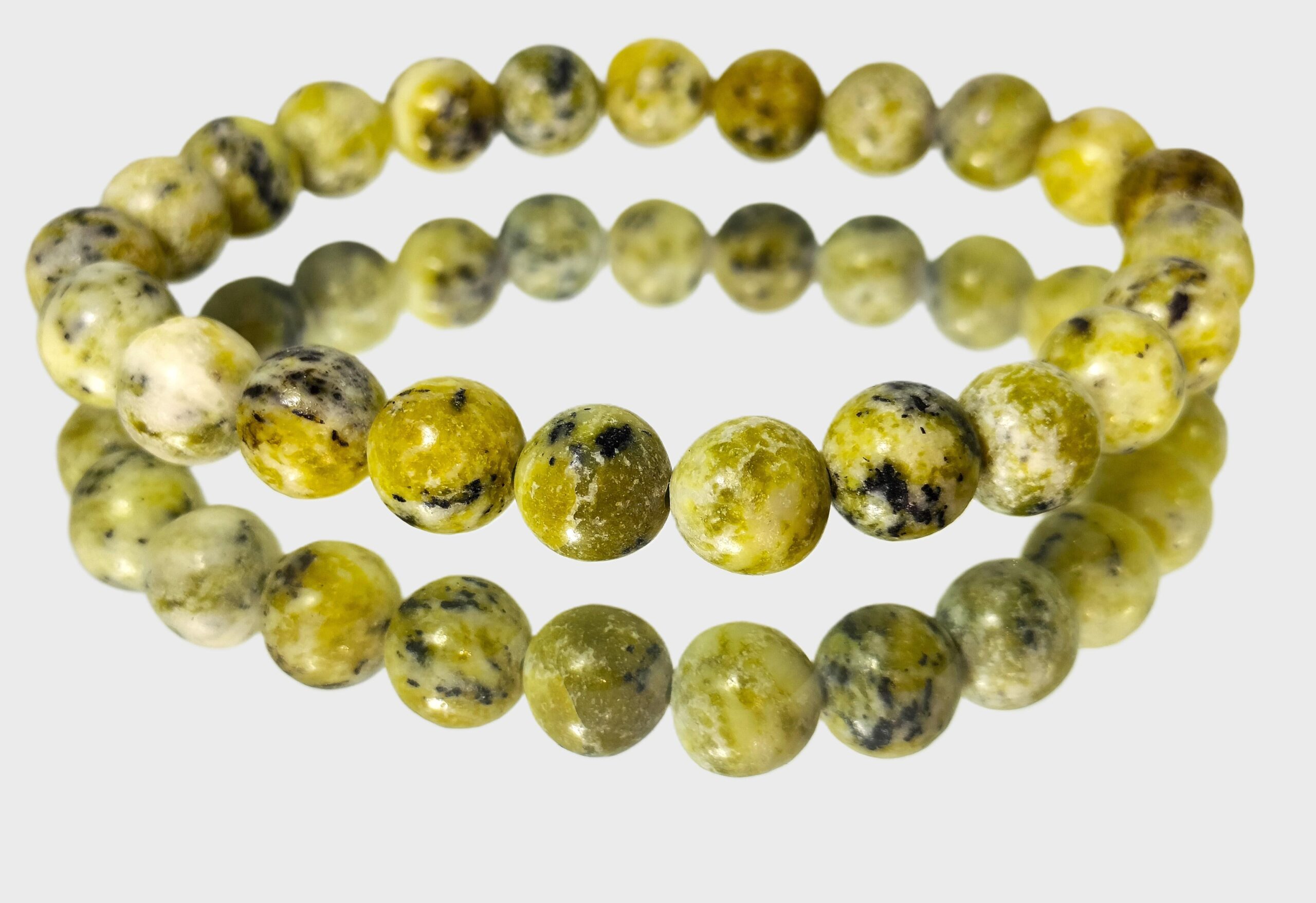
This striking bracelet features sun-dappled secrets of the forest floor, captured in beads that hum with the pulse of renewal! It captures a unique blend of mossy greens and sun-warmed yellow tones. Just as a snake sheds its skin to grow, Serpentine is the ultimate stone for transformation. Wearing it as a bracelet serves as a constant reminder that you are capable of outgrowing old habits, toxic relationships, or past traumas. It is perhaps best known for its ability to aid in the awakening of Kundalini energy. It is thought to clear the chakras and stimulate the crown chakra, opening the doors to psychic abilities and spiritual evolution.

View Details »

Serpentine pendant

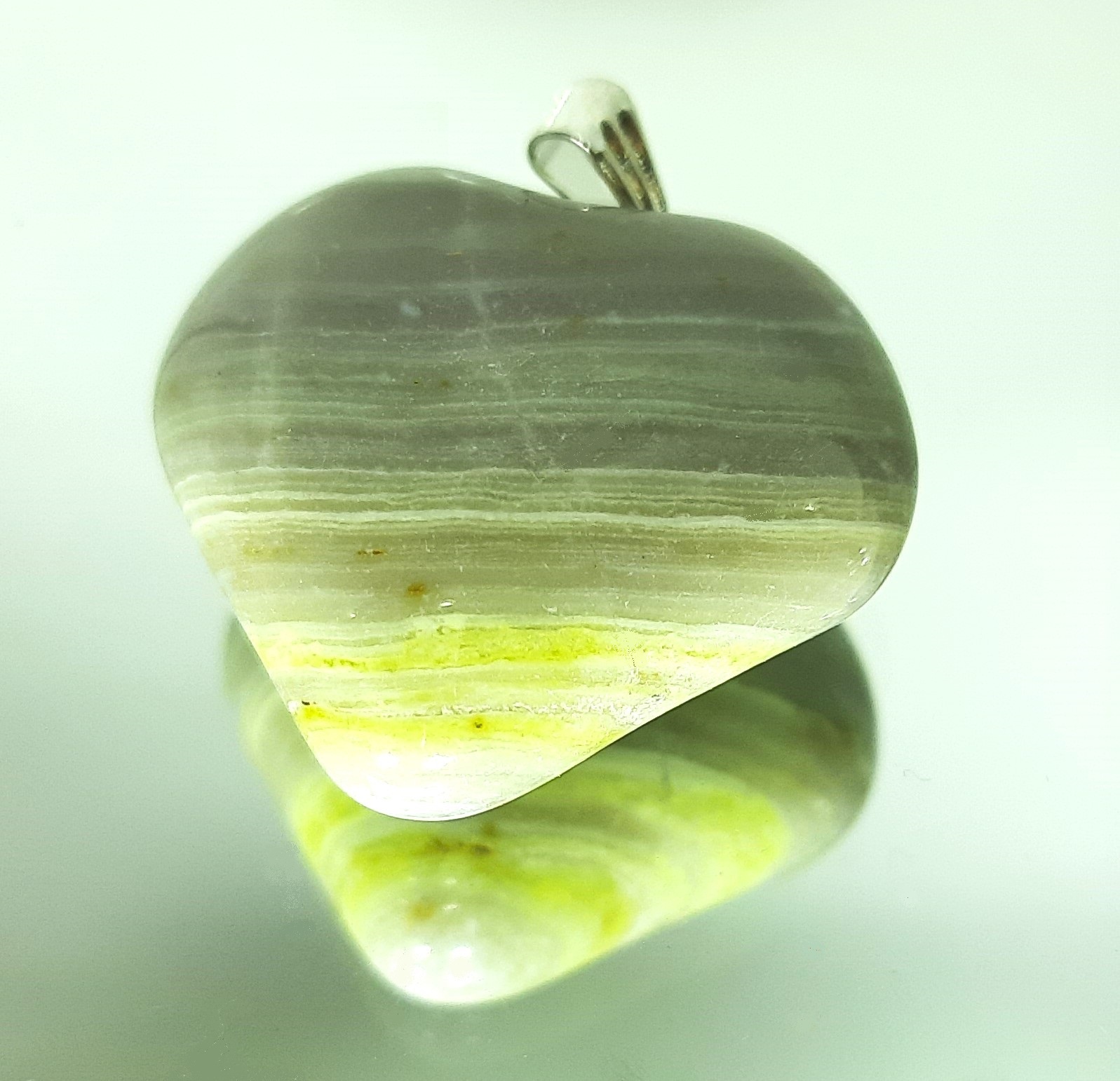
Carved from the cool, shimmering coils of the serpent, this pendant holds a fragment of the living forest, shaped as a vessel for love! As a green stone carved into a heart, it is considered a powerful activator of the Heart Chakra. This is believed to help open the wearer to giving and receiving love, compassion, and self-forgiveness, while also soothing emotional wounds. Serpentine is often called the “Ear of the Heart” stone. The heart shape enhances its ability to be a comforting tool for releasing emotional burdens, easing anxieties, and clearing out fear, promoting a deep sense of inner peace and calm. The heart reminds us of our connection to the Earth. In crystal healing traditions, serpentine is used to ground the wearer’s energy and foster a harmonious, intuitive relationship with the natural world. In metaphysical traditions, the combination of serpentine’s inherent properties (like facilitating kundalini energy flow) with the heart’s symbolism is said to guide the wearer toward a more heart-centered spiritual path and deeper inner wisdom.

View Details »

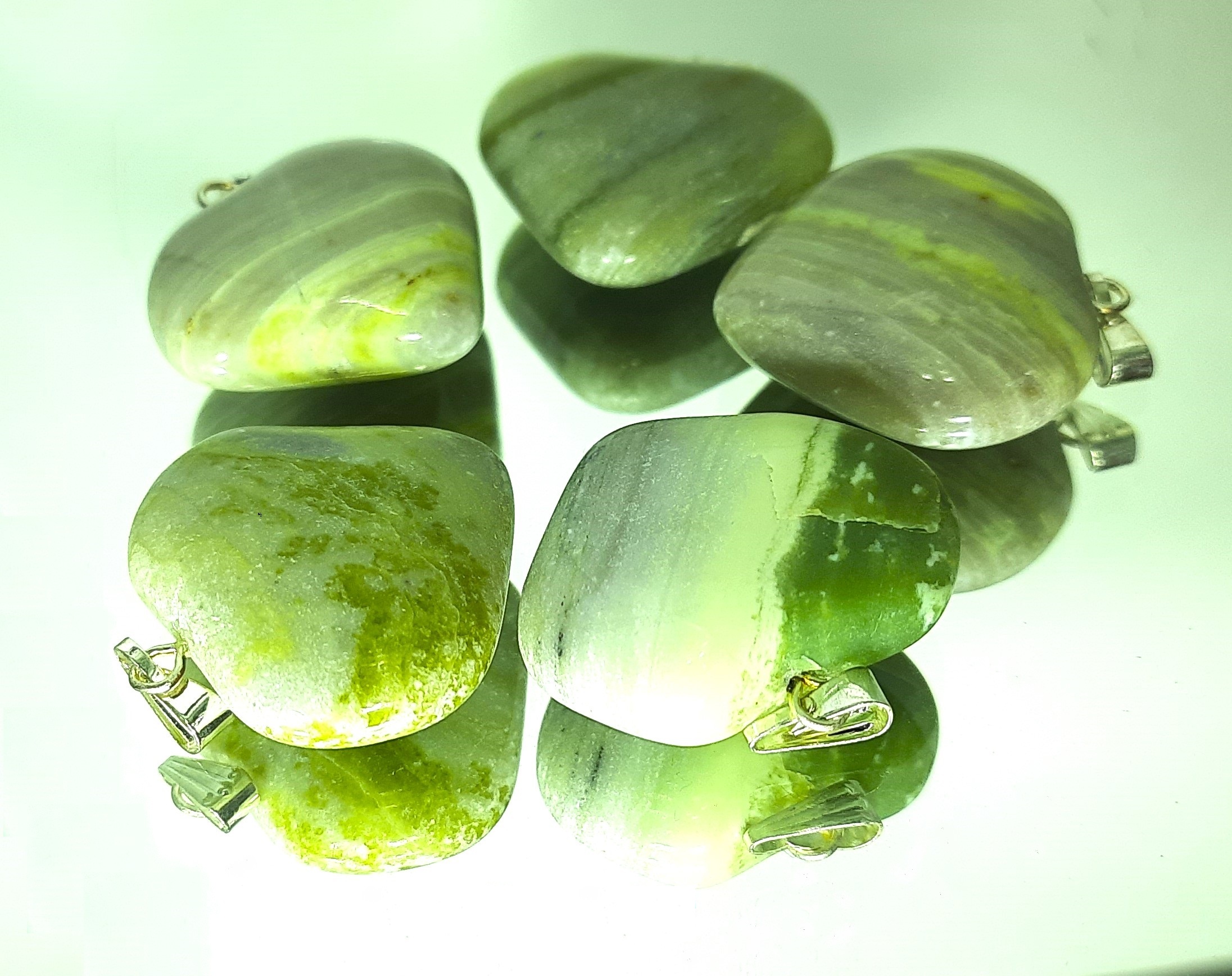
Serpentine heart pendants

Polished hearts of ancient jade, these silky coils capture the earth’s quiet pulse in a timeless, verdant gleam! Serpentine is strongly associated with the Heart Chakra. It is believed to help open the heart to love, compassion, and forgiveness, while also soothing emotional wounds and anxieties. It is considered an excellent stone for releasing emotional burdens, stress, and tension, promoting a sense of calm and inner peace. In crystal healing traditions, it is thought to aid in meditation, facilitate the rise of kundalini energy, and provide access to deeper spiritual wisdom and understanding of one’s life path. The heart reminds us of our connection to the Earth, grounding the wearer’s energy and fostering a harmonious relationship with the natural world. In metaphysical traditions, the combination of serpentine’s properties (kundalini activation) with the heart’s symbolism is said to guide the wearer toward a more heart-centered spiritual path and deeper wisdom.

View Details »

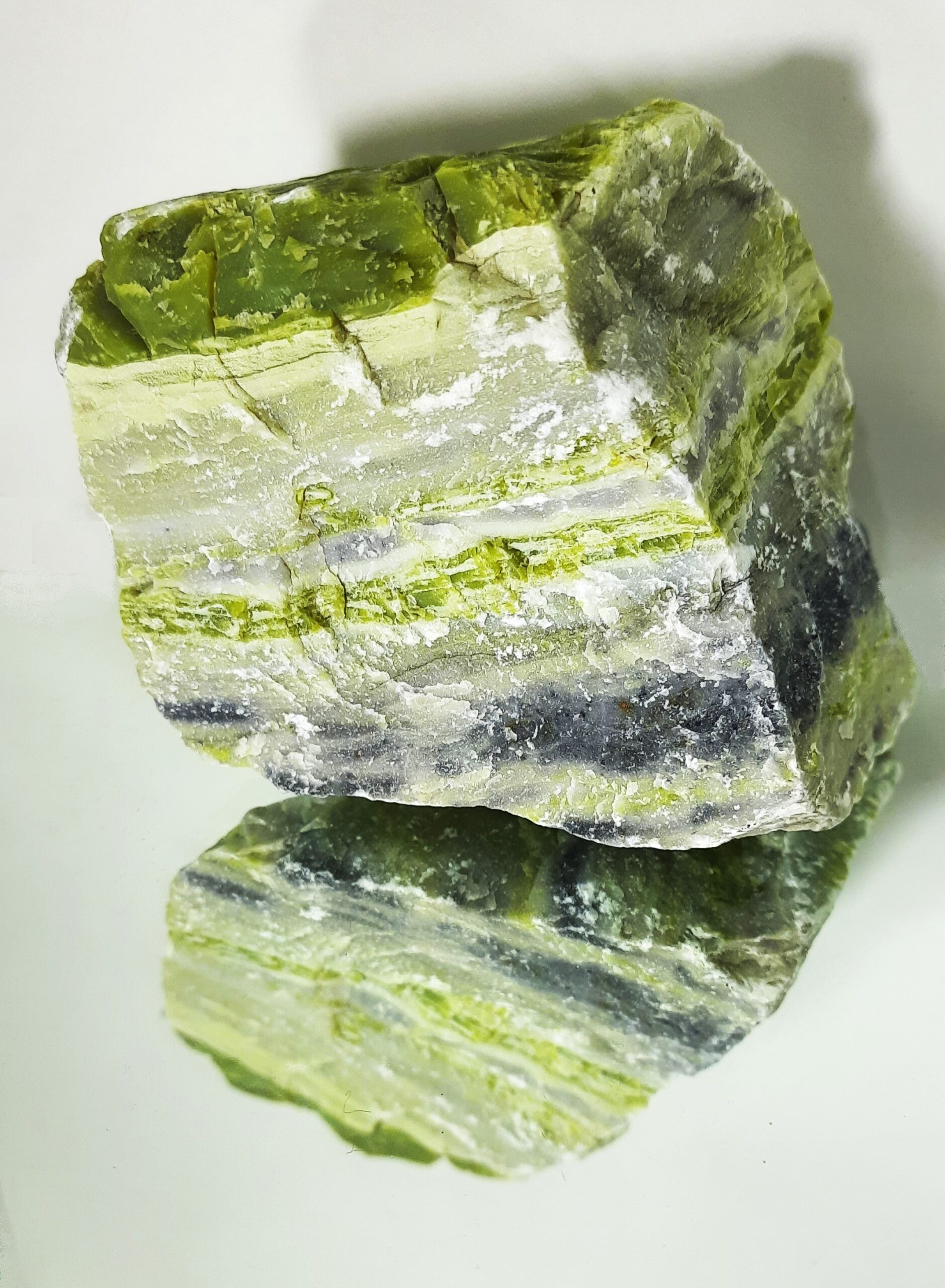
Serpentine raw stone

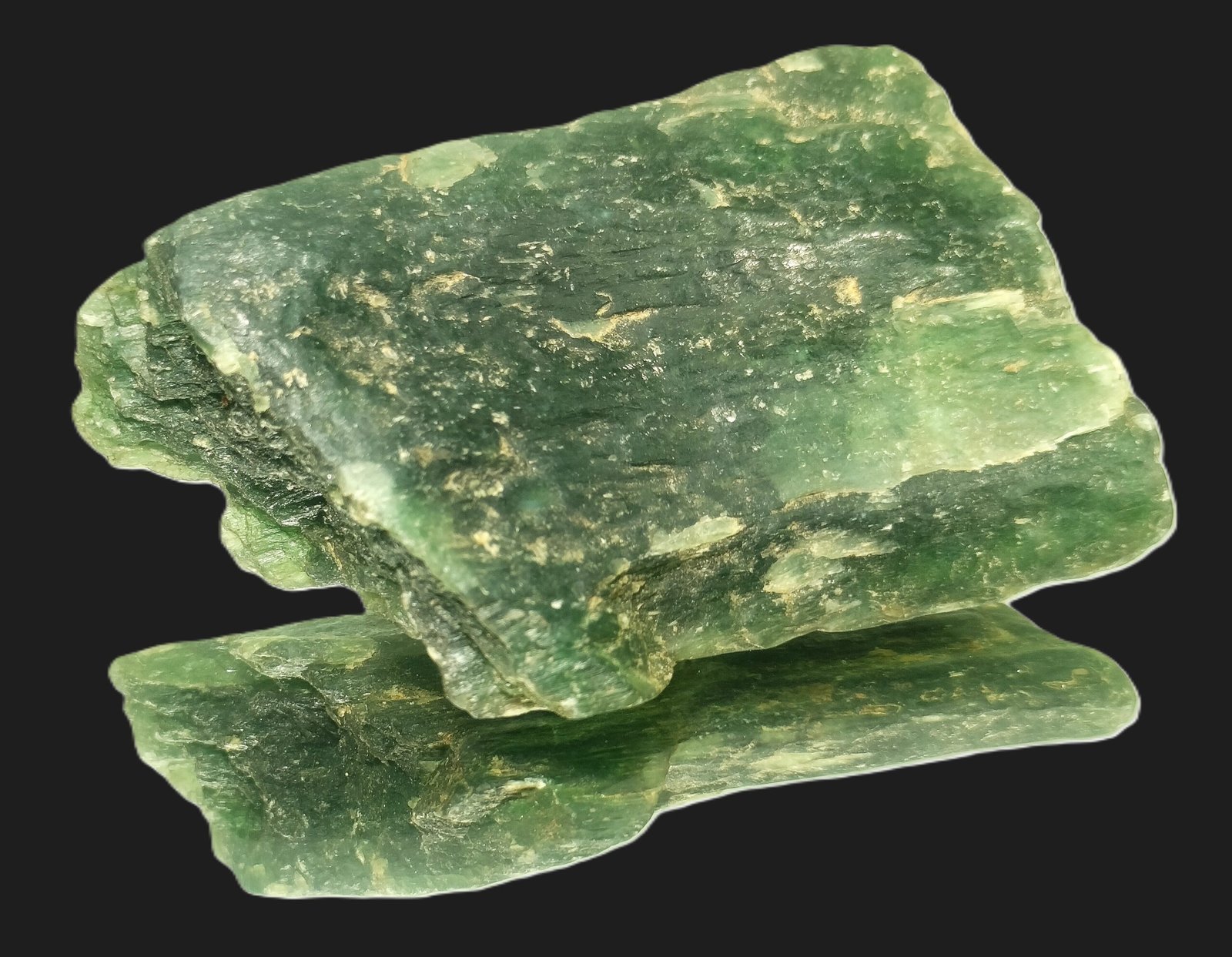
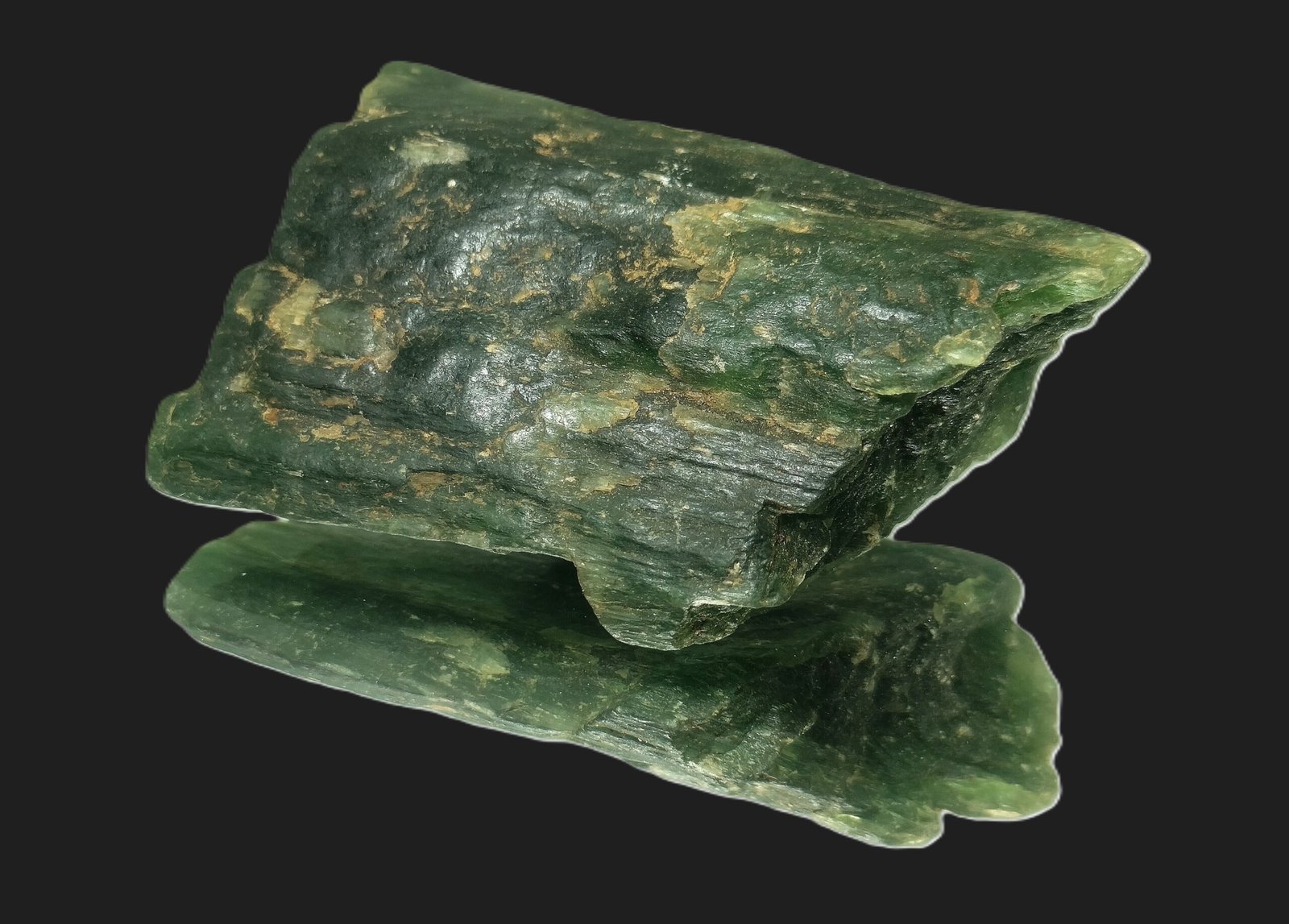
Where shadow and light coil in perfect harmony, this raw stone holds the quiet, grounding pulse of the deep forest! As a prominent green stone, serpentine is a powerful activator of the Heart Chakra. It is believed to help open the wearer to giving and receiving love, compassion, and self-forgiveness, while also soothing emotional wounds and anxieties. Often called a “Stone of the Earth,” raw serpentine is used in crystal healing traditions to ground and center one’s energy, fostering a deep, intuitive connection with nature and the natural world. It is considered an excellent stone for releasing emotional burdens, stress, and tension, promoting a sense of calm and inner peace by clearing out fear, particularly fears related to change or the future. n metaphysical traditions, it is thought to aid in meditation, facilitate the rise of kundalini energy, and provide access to deeper spiritual wisdom and understanding of one’s life path. Serpentine is a magnesium silicate mineral and, while generally safe to handle in its raw form, should not be used in elixirs or ingested due to potential fibrous inclusions.

View Details »