shripadmaconsultancy.com

Ammonite

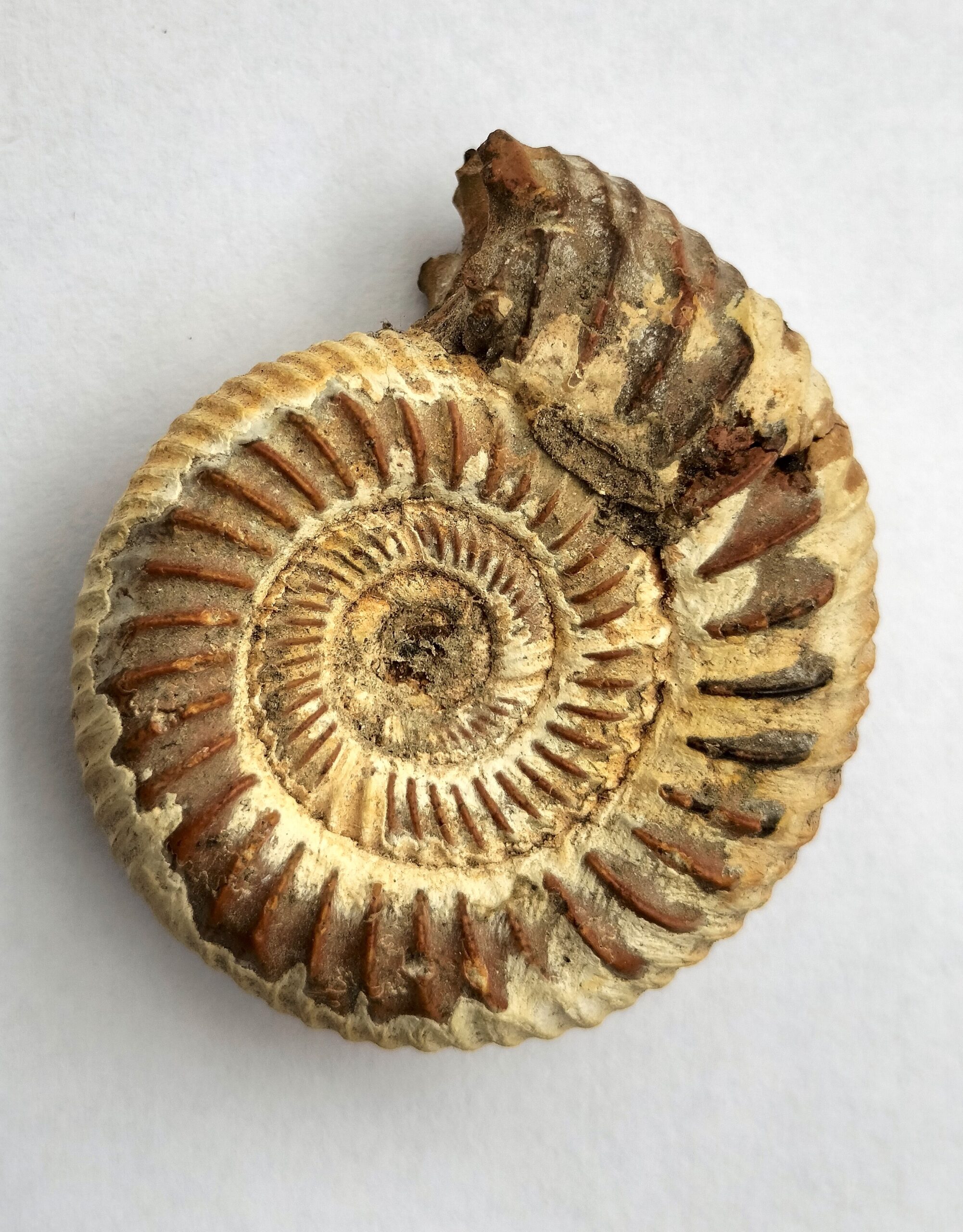
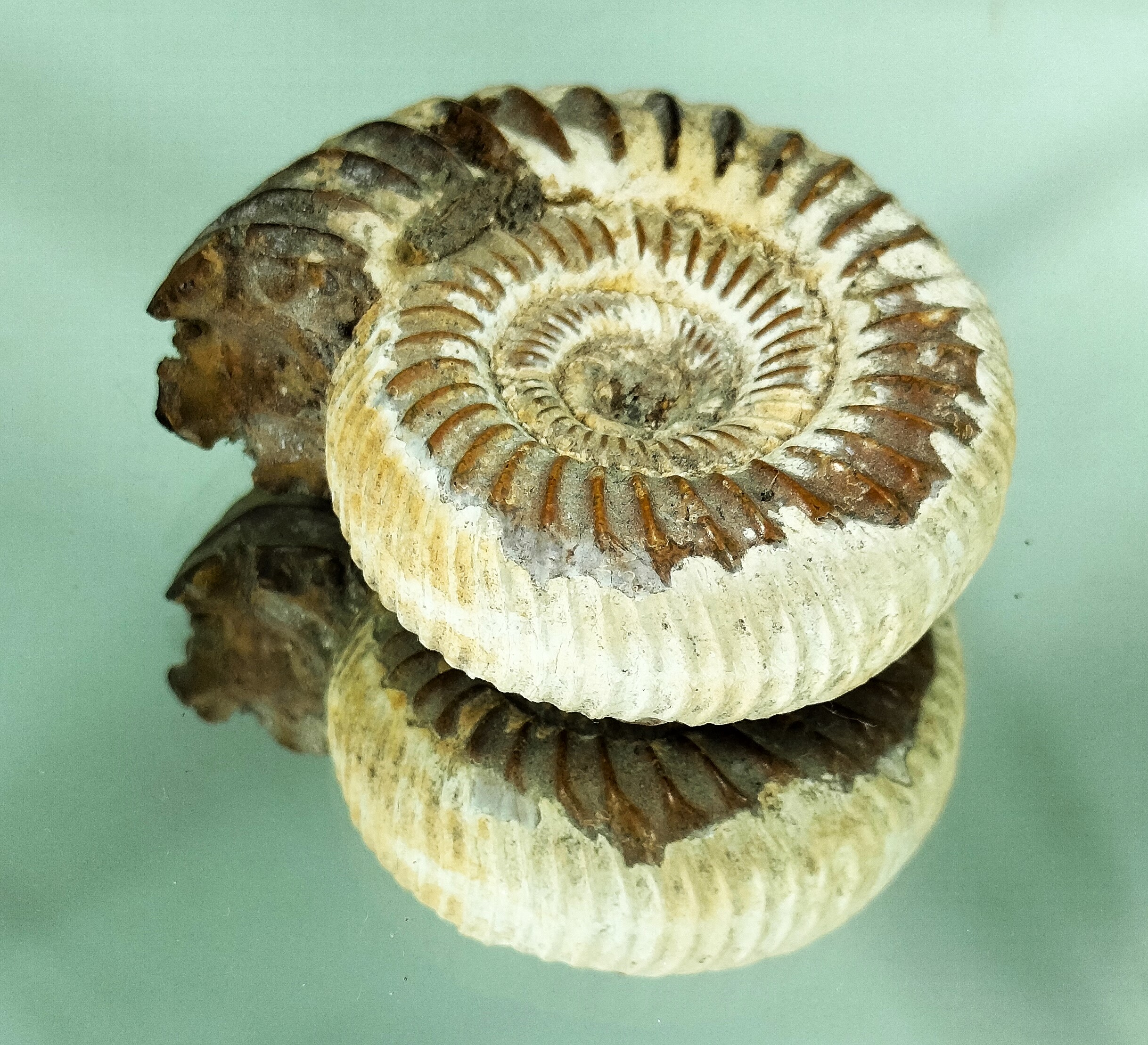
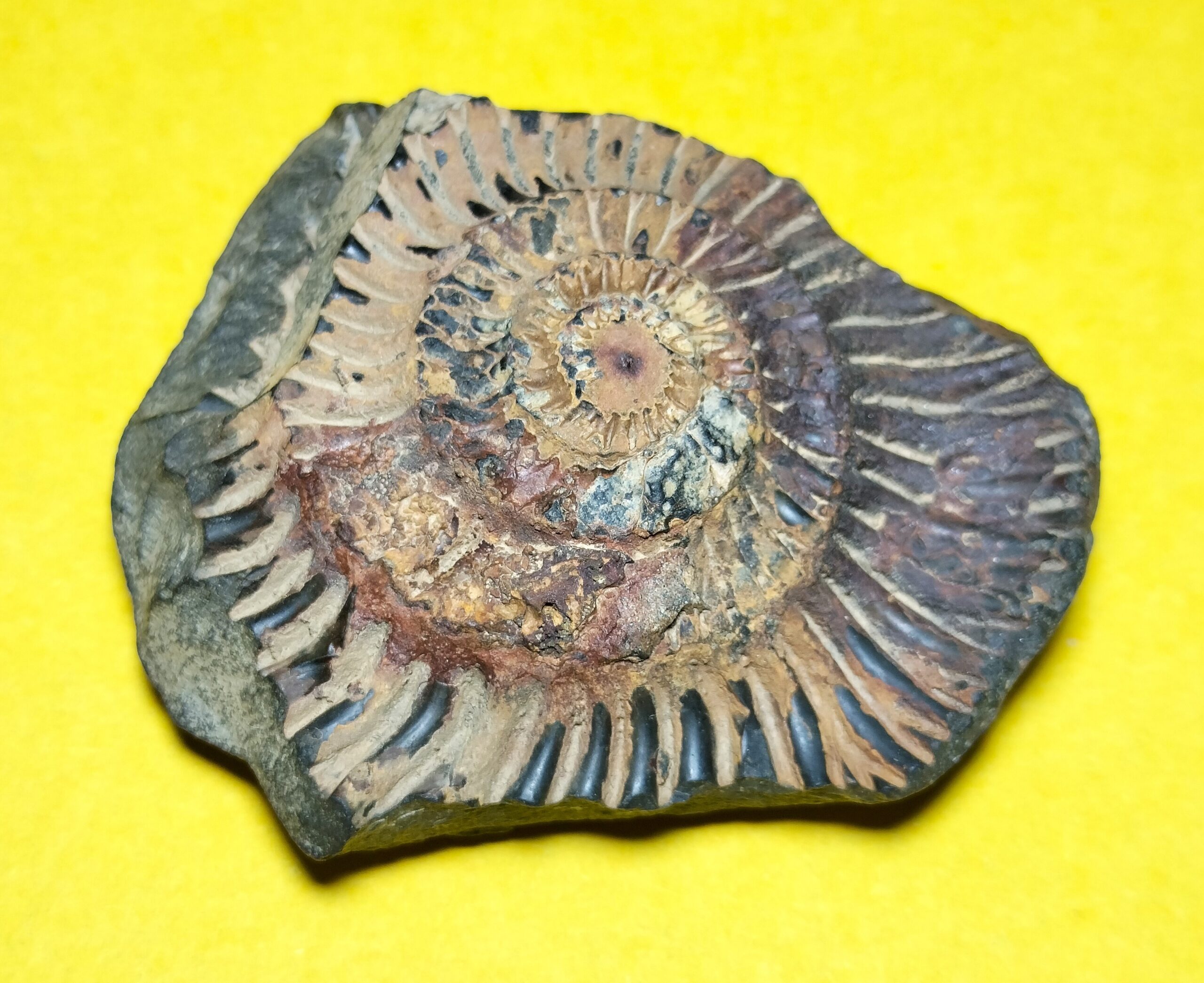
Ammonites are the fossilized shells of an extinct group of marine mollusks (specifically cephalopods) that thrived in the oceans from approximately 410 to 66 million years ago. They are well known for their tightly coiled, ribbed shells. The living creature occupied the outermost, largest compartment of its shell. The rest of the shell was divided into inner chambers separated by walls called septa. These internal chambers were filled with gas or fluid, acting as a buoyancy mechanism. In the field of Geology, they act as “index fossils,” allowing scientists to date the exact rock layers in which they are found. After an ammonite died, its soft tissue decayed while the resilient shell sank to the seafloor and was buried by sediment. Over millions of years, chemical and physical processes altered the shell’s composition. Aragonite of the shell commonly transitions into its more stable polymorph, calcite, or gets completely replaced by other minerals. In anoxic environments, sulfur and iron in the sediment can react with the decaying shell, replacing the calcite with pyrite. The interior chambers often filled with mud or dissolved minerals like silica and calcite, forming internal molds or creating crystallized geodes when the original shell dissolved. In rare cases, aragonite is layered with specific trace impurities (like iron and copper) and compressed over millions of years, yielding Ammolite. This highly prized, iridescent gemstone exhibits brilliant structural colors based on the interference of light waves reflecting off these specific laminated aragonite microstructures. Ammonite fossils are prized in holistic wellness and crystal healing for their primordial energy and sacred spiral geometry. Their iconic Fibonacci spiral is said to stimulate the flow of Chi (life force energy), helping to release karmic patterns and facilitate personal transformation. Due to the spiral shape and natural luster, ammonites are used in jewelry and home decor. Ammonites from the Gandaki River in Nepal are known as Shaligrams- manifestation of the Hindu god Vishnu. The spiral shape symbolizes continual change and evolution. Ammonites are used for activating Kundalini. It is believed that ammonites bring good health, prosperity and success.

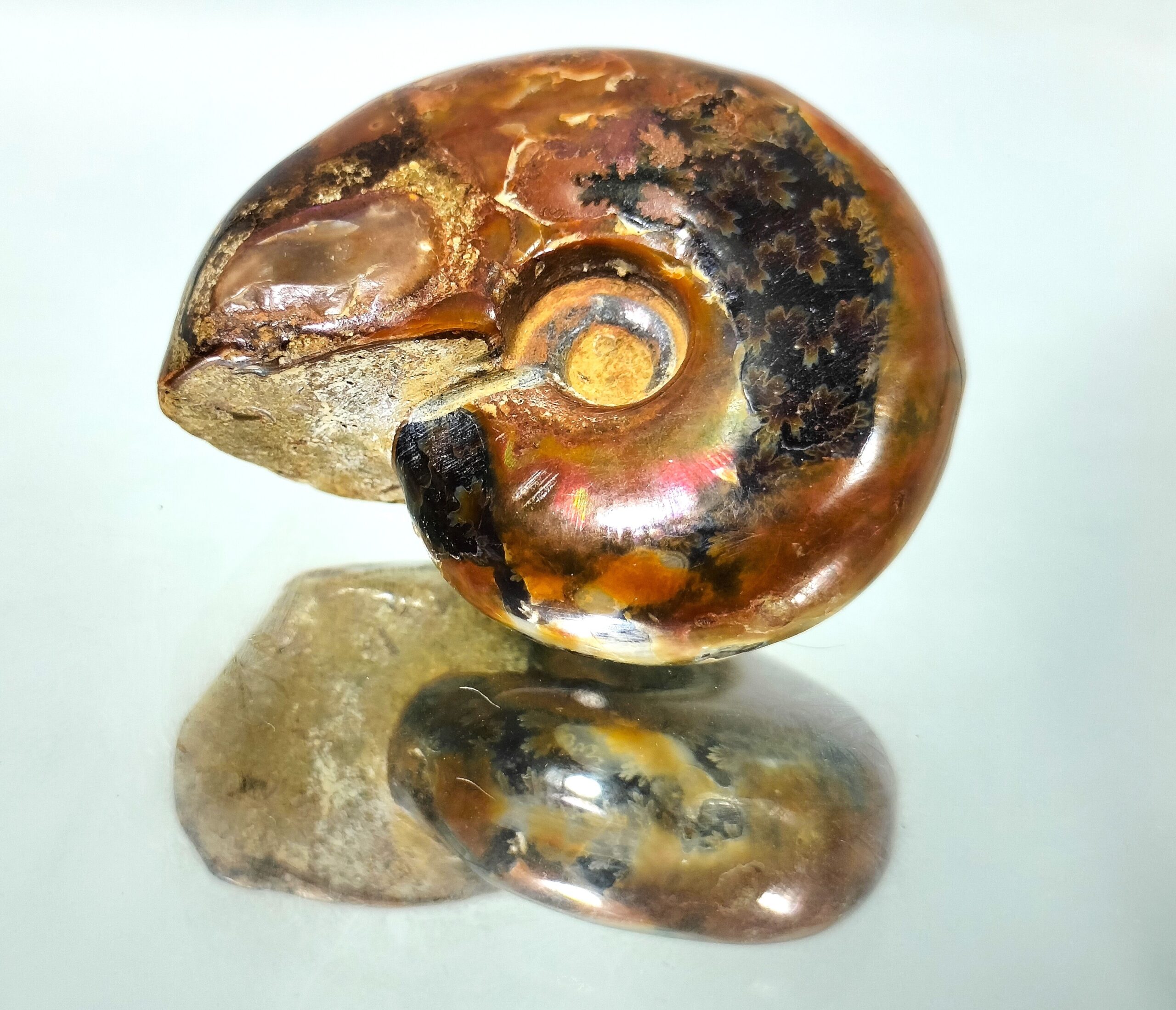
Ammonite (whole)

This exquisite ammonite fossil is a stone-spun spiral of ancient tides that holds the infinite rhythm of a prehistoric sea! The spiral shape and the iridescent, dendritic patterns make it a true masterpiece of nature’s history. The shape of the ammonite follows the Fibonacci sequence—a “Golden Spiral” found everywhere in nature. Because of this, it is believed to Help move stagnant or “stuck” energy through the body and environment. It is a stone of change, helping the wearer navigate transitions in life with grace and steady progress. Being fossils, ammonites have a deep connection to the Earth and the Root Chakra. They are believed to attract success, abundance, and positive “Qi” (energy) into a home or office. They are thought to hold the wisdom of the ages, helping the owner make sound decisions regarding their future. Ammonites are often associated with longevity and cellular regeneration. In traditional crystal lore, their spiral shape is sometimes linked to the expansion of the lungs and healthy breathing.
View Details »

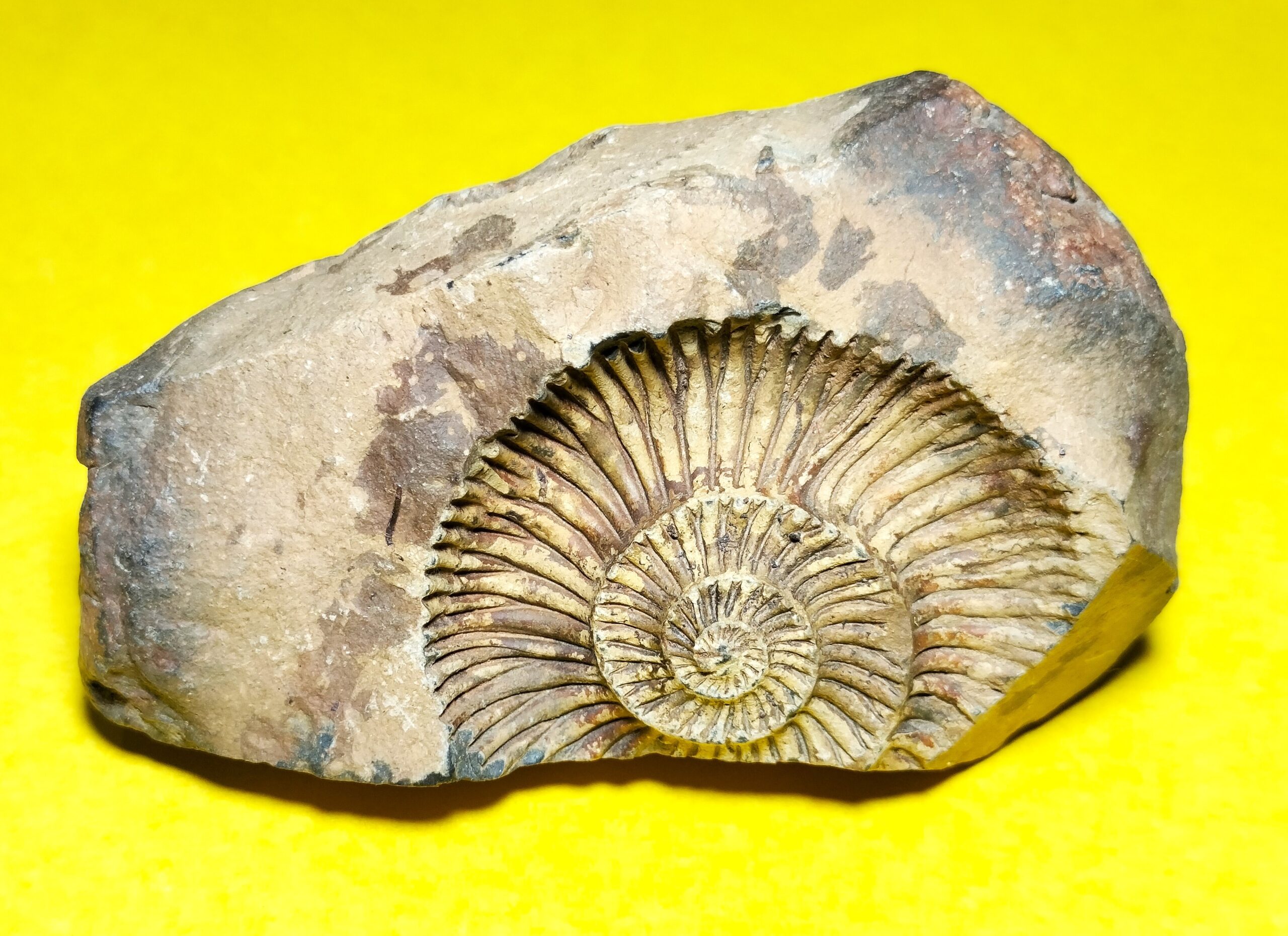
Ammonite

Ammonites are extinct typically coiled-shelled cephalopods that existed between 400 million years to 66 million years ago in the oceans. They are useful geological tools to determine age of rocks, climate changes and evolution of organisms. Due to the spiral shape and natural luster, ammonites are used in jewelry and home decor. Ammonites from the Gandaki River in Nepal are known as Shaligrams- manifestation of the Hindu god Vishnu. The spiral shape symbolizes continual change and evolution. Ammonites are used for activating Kundalini. It is believed that ammonites bring good health, prosperity and success.

View Details »

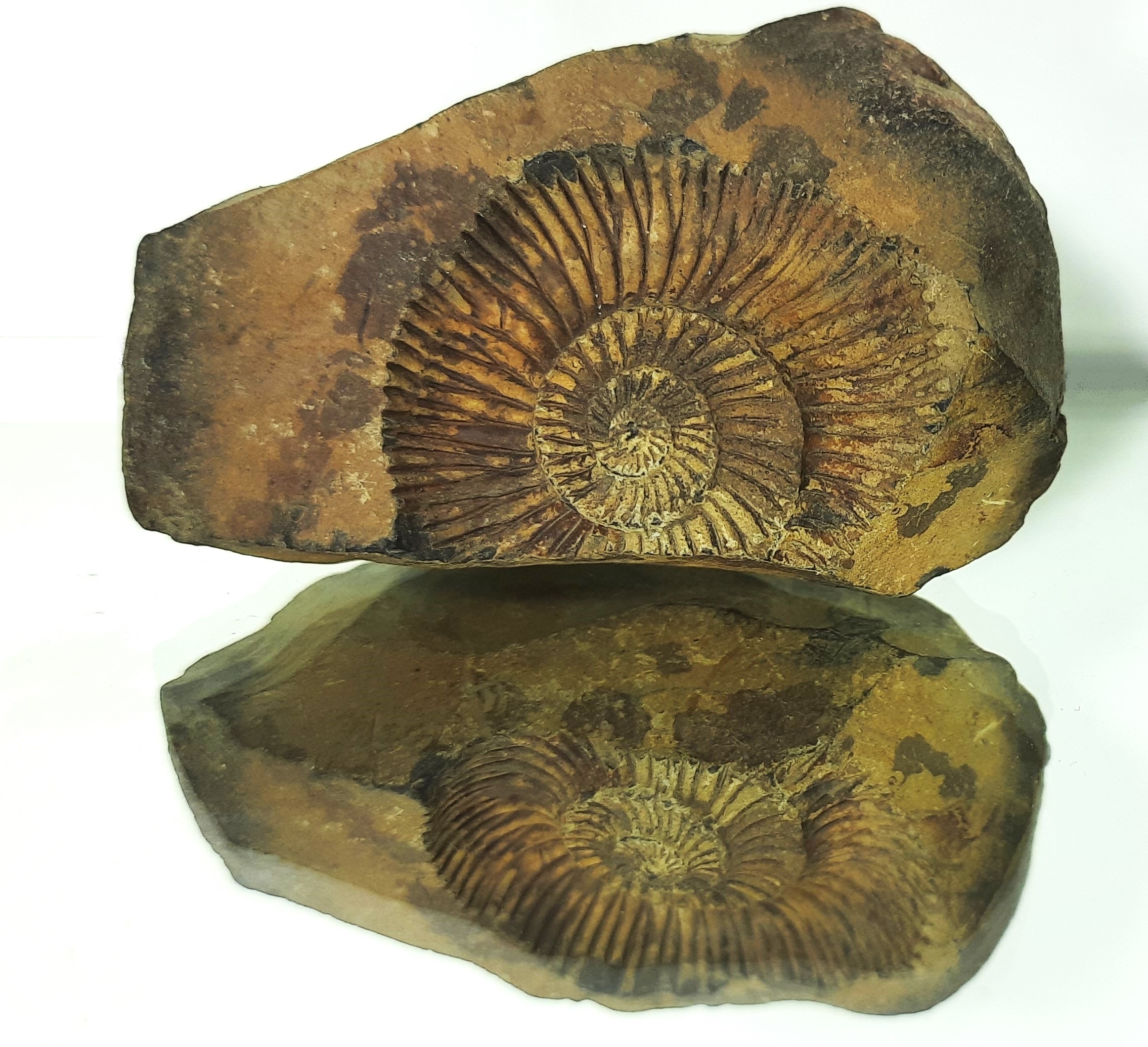
Ammonite

Ammonites are extinct typically coiled-shelled cephalopods that existed between 400 million years to 66 million years ago in the oceans. They are useful geological tools to determine age of rocks, climate changes and evolution of organisms. Due to the spiral shape and natural luster, ammonites are used in jewelry and home decor. Ammonites from the Gandaki River in Nepal are known as Shaligrams- manifestation of the Hindu god Vishnu. The spiral shape symbolizes continual change and evolution. Ammonites are used for activating Kundalini. It is believed that ammonites bring good health, prosperity and success.

View Details »

Ammonite

Ammonites are extinct typically coiled-shelled cephalopods that existed between 400 million years to 66 million years ago in the oceans. They are useful geological tools to determine age of rocks, climate changes and evolution of organisms. Due to the spiral shape and natural luster, ammonites are used in jewelry and home decor. Ammonites from the Gandaki River in Nepal are known as Shaligrams- manifestation of the Hindu god Vishnu. The spiral shape symbolizes continual change and evolution. Ammonites are used for activating Kundalini. It is believed that ammonites bring good health, prosperity and success.

View Details »

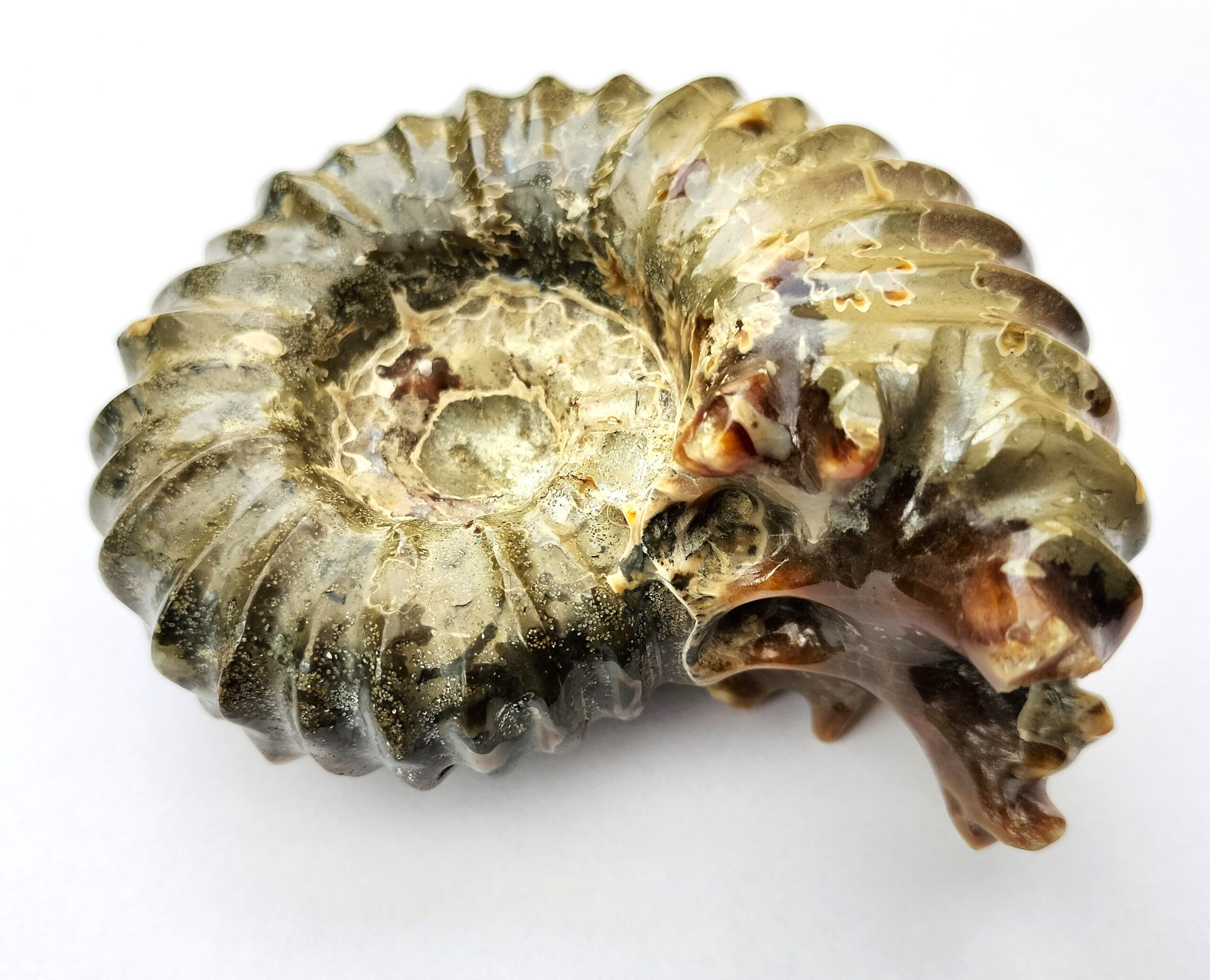
Ammonite (agatized)

Ammonites are extinct typically coiled-shelled cephalopods that existed between 400 million years to 66 million years ago in the oceans. They are useful geological tools to determine age of rocks, climate changes and evolution of organisms. Due to the spiral shape and natural luster, ammonites are used in jewelry and home decor. Ammonites from the Gandaki River in Nepal are known as Shaligrams- manifestation of the Hindu god Vishnu. The spiral shape symbolizes continual change and evolution. Ammonites are used for activating Kundalini. It is believed that ammonites bring good health, prosperity and success.

View Details »

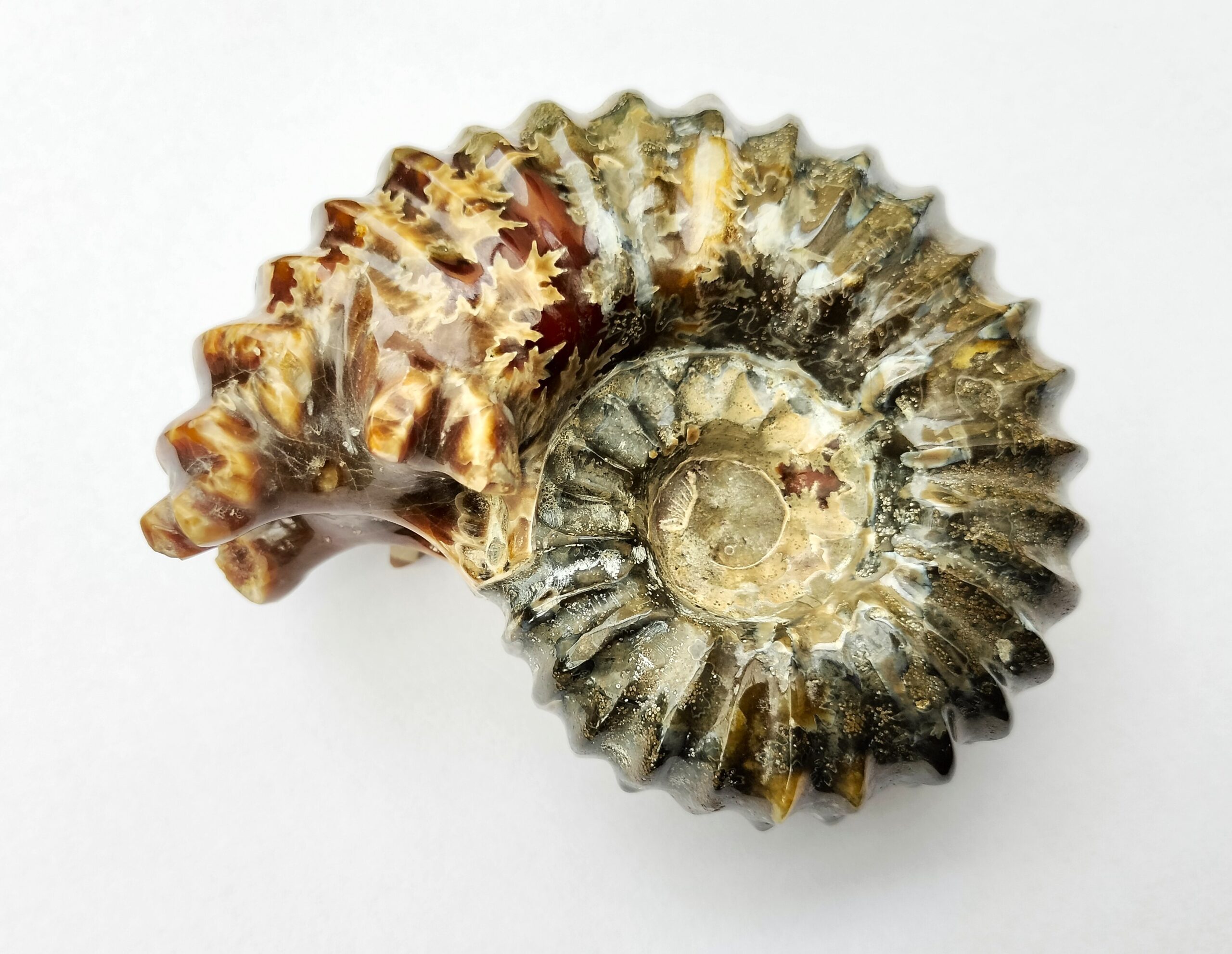
Ammonite (agatized)

Ammonites are extinct typically coiled-shelled cephalopods that existed between 400 million years to 66 million years ago in the oceans. They are useful geological tools to determine age of rocks, climate changes and evolution of organisms. Due to the spiral shape and natural luster, ammonites are used in jewelry and home decor. Ammonites from the Gandaki River in Nepal are known as Shaligrams- manifestation of the Hindu god Vishnu. The spiral shape symbolizes continual change and evolution. Ammonites are used for activating Kundalini. It is believed that ammonites bring good health, prosperity and success.

View Details »

Ammonite

Ammonites are extinct typically coiled-shelled cephalopods that existed between 400 million years to 66 million years ago in the oceans. They are useful geological tools to determine age of rocks, climate changes and evolution of organisms. Due to the spiral shape and natural luster, ammonites are used in jewelry and home decor. Ammonites from the Gandaki River in Nepal are known as Shaligrams- manifestation of the Hindu god Vishnu. The spiral shape symbolizes continual change and evolution. Ammonites are used for activating Kundalini. It is believed that ammonites bring good health, prosperity and success.

View Details »