shripadmaconsultancy.com

Sacred Shells

Sacred Shells are pearlescent echos of the cosmic Om, sounding the awakening of the soul and the banishing of shadows! They are carved by the divine breath of the ocean to hold the purifying silence of creation within the sacred spirals. In Hinduism, the Shankha is revered not only as a ritual instrument but as an object infused with deep spiritual significance, often associated with Goddess Lakshmi and Lord Vishnu. The sound of the Shankha is considered the primordial sound of the universe (Om). Blowing it is believed to cleanse the atmosphere, dispelling negative vibrations, evil forces, and lethargy, and inviting divine energy (Prana) into the space. As the conch emerged during the Samudra Manthan (churning of the cosmic ocean) alongside Goddess Lakshmi, it is considered her brother and is believed to attract wealth, good fortune, and abundance to the home where it is worshipped. According to Ayurveda, blowing the conch exercises the lungs, diaphragm, and muscles of the face and neck, improving respiratory health. Furthermore, drinking water that has been stored in a Shankha overnight (which absorbs the shell’s calcium and mineral properties) is believed to improve digestion, eyesight, and immunity. The vibration produced by blowing the conch is said to stimulate and balance the Vishuddha (Throat) Chakra, promoting clearer communication, calmness, and mental focus. The presence of a Shankha in the home is thought to create a subtle, protective energetic boundary against malevolent influences. In a Vamavarti Shankha, the spiral opens to the left. This is the most common type and is used primarily for sound and ritual bathing (Abhishekam). The blowing of the Vamavarti Shankha marks the commencement of daily worship or a significant ritual, announcing a sacred moment and invoking the deities. In Dakshinavarti Shankha, the spiral opens to the right. This is rare and highly auspicious, usually kept for worship and attracting wealth, rather than being blown. The Shankha is used as a sacred vessel to pour holy water, milk, or Panchamrit (a mixture of five sacred foods) over the deities (Murtis) during ceremonial bathing. This act symbolizes purification and offering the essence of the ocean to the divine. During the final offering (Arati), the Vamavarti Shankha may be sounded rhythmically while lamps are waved before the deity, signifying the active energy of worship. Water is stored inside the Shankha, sanctified by mantras, and then offered to devotees as Teertham (blessed water) at the end of a ritual, believed to purify the body and soul. Often, especially in the case of the rare Dakshinavarti Shankha, the shell is placed on a special altar, adorned with sandal paste and flowers, and worshipped as a form of Lord Vishnu or Goddess Lakshmi. Placing a Shankha in specific areas of the home is believed to rectify Vastu Dosha (architectural flaws) and balance the energy flow of the dwelling.

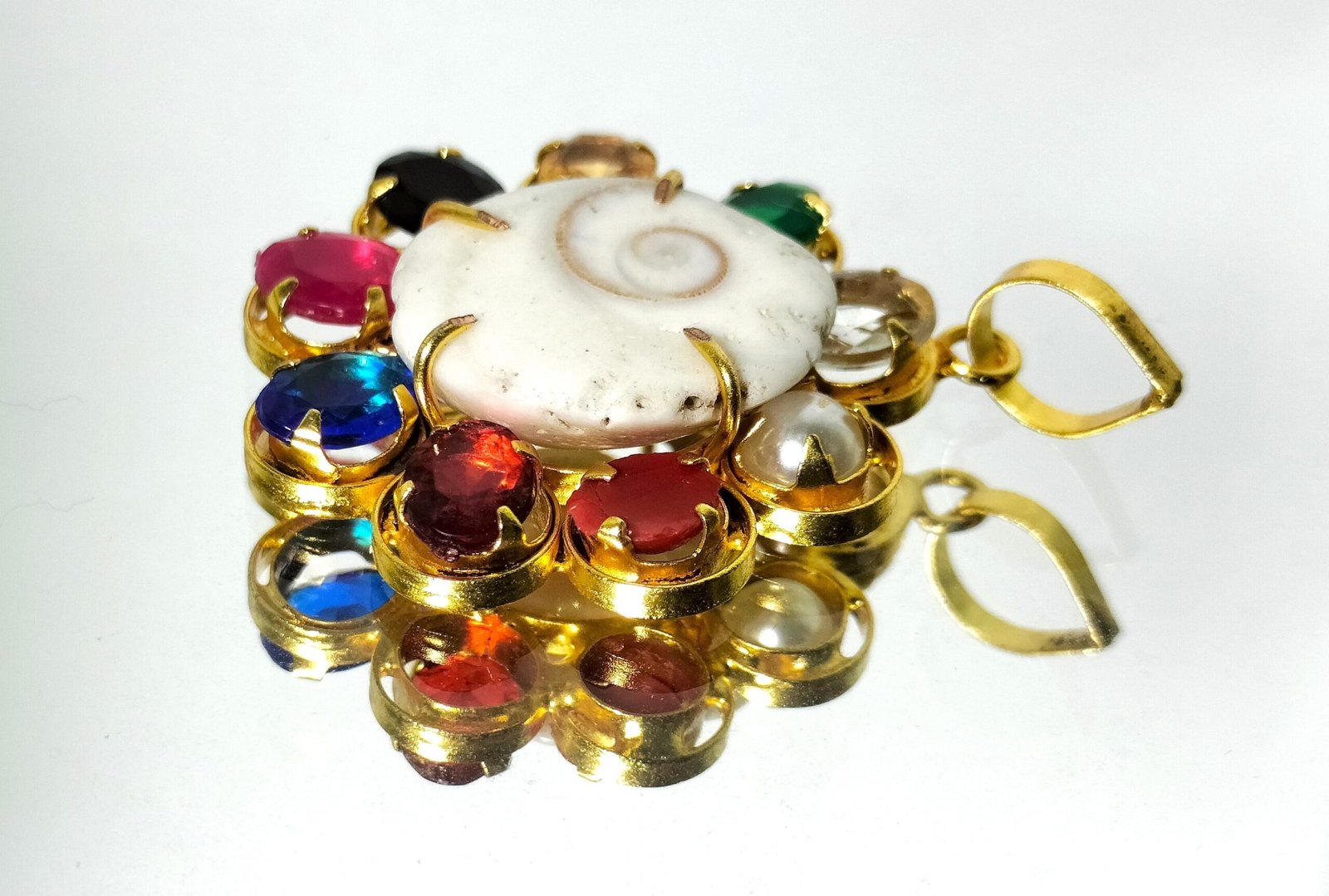
Navratna Gomati Chakra pendant

This pendant features a sacred spiral of divine grace, embraced by the cosmic harmony of nine vibrant gems! It shows an exquisite union of nine celestial gems encircling a sacred Gomti Chakra, creating a harmonious balance of divine protection and vibrant beauty. This specific combination (Navratna + Gomti Chakra) is highly sought after for its combined astrological and spiritual significance. The Navratna setting is designed to harness the positive energies of the nine planets (Grahas) in Vedic astrology, bringing balance and harmony to the wearer’s life: Sun (Ruby) promotes success, fame, and vitality; Moon (Pearl) enhances emotional balance, peace of mind, and intuition; Mars (Red Coral) boosts courage, energy, and physical well-being; Mercury (Emerald) improves intelligence, communication, and business acumen; Jupiter (Yellow Sapphire) attracts wisdom, wealth, and good fortune; Venus (Diamond/White Zircon) brings love, luxury, and artistic creativity; Saturn (Blue Sapphire) encourages discipline, endurance, and professional success; Rahu (Hessonite) protects from negative influences and enhances focus; Ketu (Cat’s Eye) promotes spiritual growth and protects from hidden enemies. The central white shell, known as a Gomti Chakra, is considered highly auspicious in Hinduism and is often associated with Goddess Lakshmi (the goddess of wealth and prosperity). The pendant is worn on a gold chain or a thread for daily protection and astrological benefits. It is considered an extremely auspicious and valuable gift for occasions like weddings, housewarmings, or starting a new venture. It is worn as a pendant close to the heart or throat chakra on a gold/silver chain or red thread to continuously absorb its protective and balancing vibrations. It can be placed in the home shrine or cash box (locker) during auspicious occasions (like Diwali, Dhanteras, or Navratri) to invoke abundance and peace.
View Details »

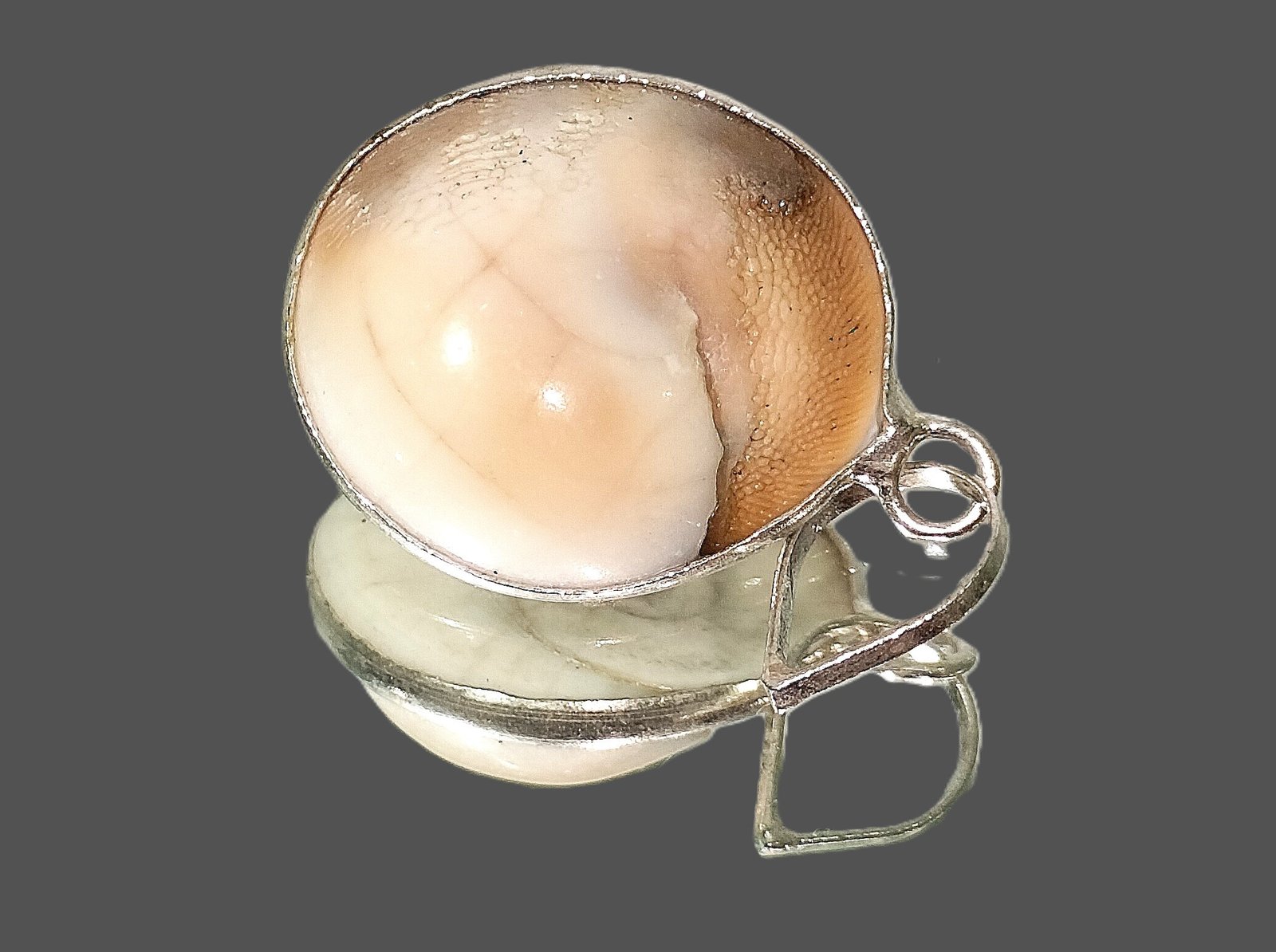
Gomati Chakra pendant

This porcelain seal forged in holy waters, holds the gentle warmth of divine protection and timeless peace! This ivory mirror is curved by sacred currents, and it reflects away darkness to usher in endless serenity and fortune. This image displays the reverse (smooth, elevated side) of the Gomati Chakra, beautifully set in a silver bezel frame with a delicate hanging loop. Sacred to Goddess Lakshmi, wearing this stone helps invite financial growth, success, and stability. It protects the wearer from the evil eye (nazar), jealousy, and negative environmental vibrations. The smooth, shell-like surface carries soothing sea energy, helping reduce anxiety and stabilize emotions. The pendant is suspended on a silver chain or red silk cord near the heart for continuous protective and prosperous energy. In Vedic Astrological practices, it is worn as a planetary or protective remedy (Upaya) to clear obstacles caused by negative astrological placements. It is kept on home altars, in cash boxes, or held during prayer to amplify intentions of peace and abundance.

View Details »

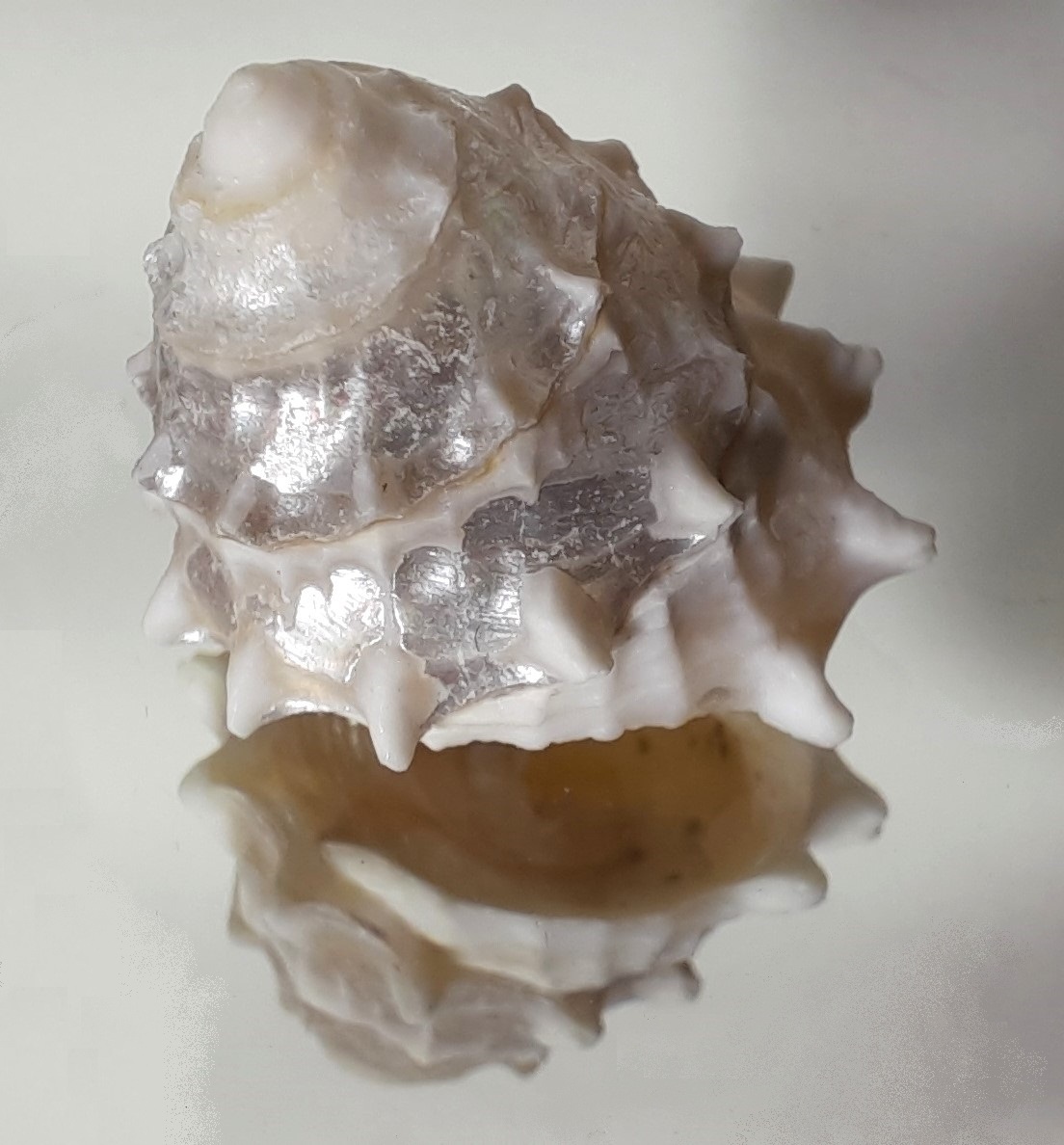
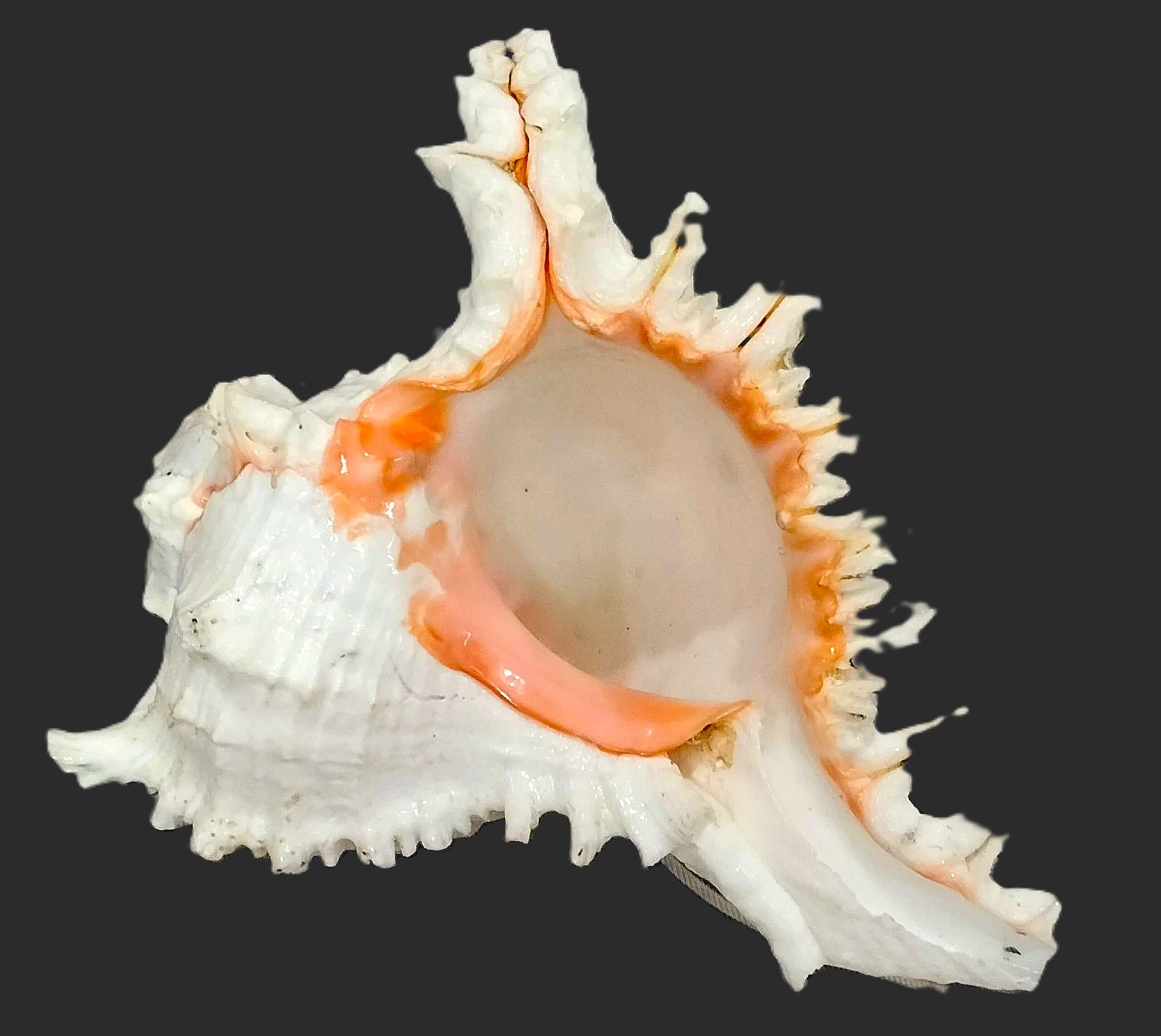
Garud Shankh

This Garud Shankh is a vibrant beacon of divine power, where the warmth of coral hues meets the fearless flight of Garuda! It is a rare, naturally occurring conch shell (Turbinella pyrum or related marine species) whose unique spiral and formation mimics the stylized wings or posture of Garuda. Associated with Garuda, the celestial eagle and eternal vehicle of Lord Vishnu, it is revered for bestowing courage, warding off fear, evil spirits, and negative forces. Collectors source these particular rare shells from Indo-Pacific waters or the Mexican Sea. In Vedic tradition, Lord Garuda possesses immense power over serpent energies, making this shankh symbolic for neutralizing Kaal Sarp Dosh, fear of snakes, and evil eyes (nazar). It is ideal for overcoming self-doubt, speech hesitations, and lack of assertiveness by fostering internal strength and leadership qualities. Its unique crests and sacred formation serve to purify the aura of the home, dispelling toxic emotions and fostering a peaceful environment. It helps elevate focus during daily prayers, creating an atmosphere aligned with divine devotion and higher consciousness. It is placed on a sacred pedestal covered in a clean red or yellow cloth alongside idols of Lord Vishnu or Goddess Lakshmi for daily ritual worship (puja). For Vaastu correction, it is kept in the North-East or East direction of the living room or main entryway to shield the house from negative vibrations and welcome prosperity. The Shankh is kept near the meditation seat to help steady the mind and channel protective, focused energies during mantra recitation. During Abhishekam, it is used to offer holy water or milk for auspicious worship rituals and festivals to seek divine blessings. Like other sacred conchs originating from traditional beliefs and sacred narratives like the Samudra Manthan, it is kept in homes for worship, positive vibrations, and shankhnaad (blowing the conch). The shankh is said to purify surroundings, remove negative energy, and improves lung capacity when blown.

View Details »

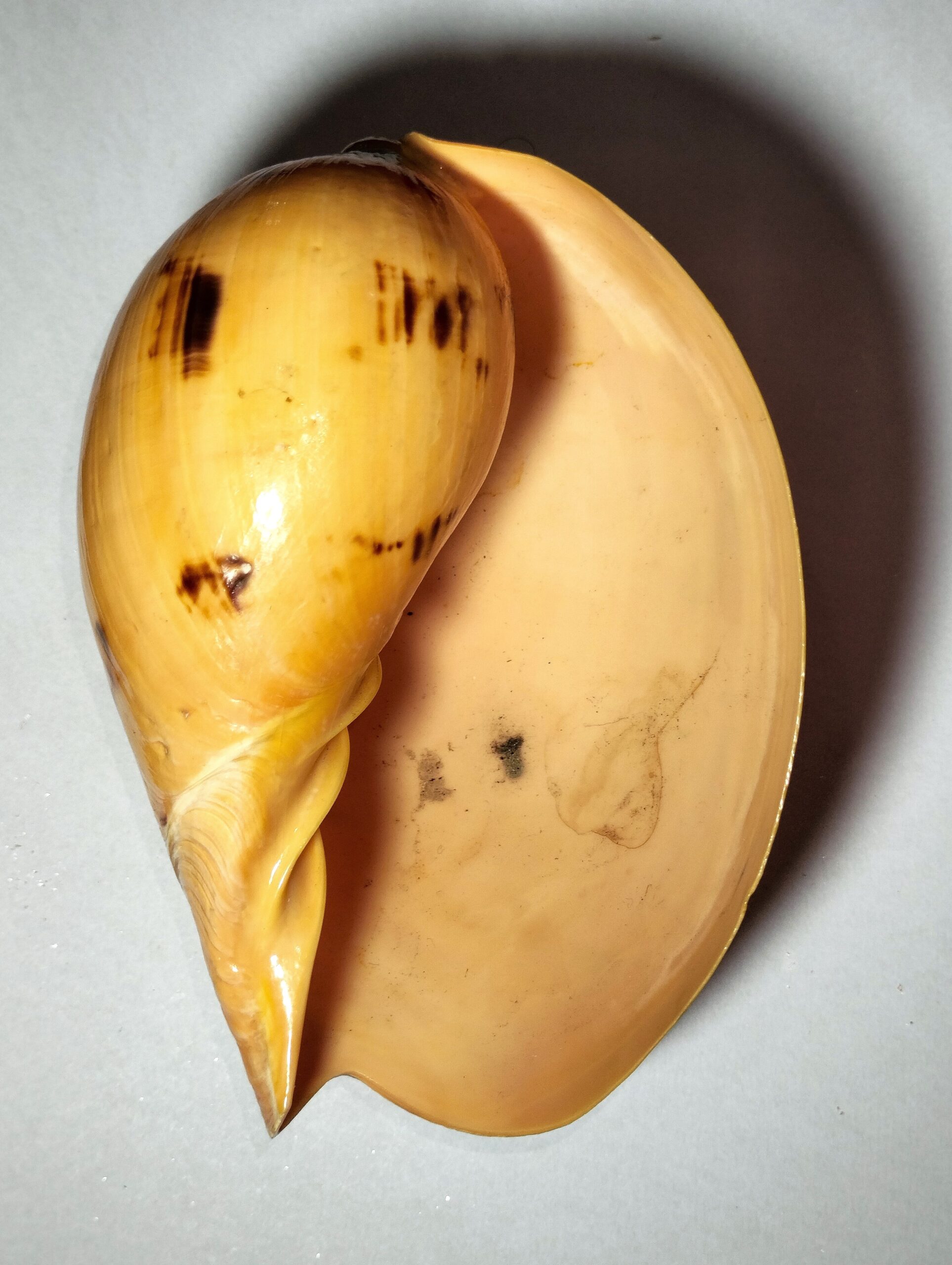
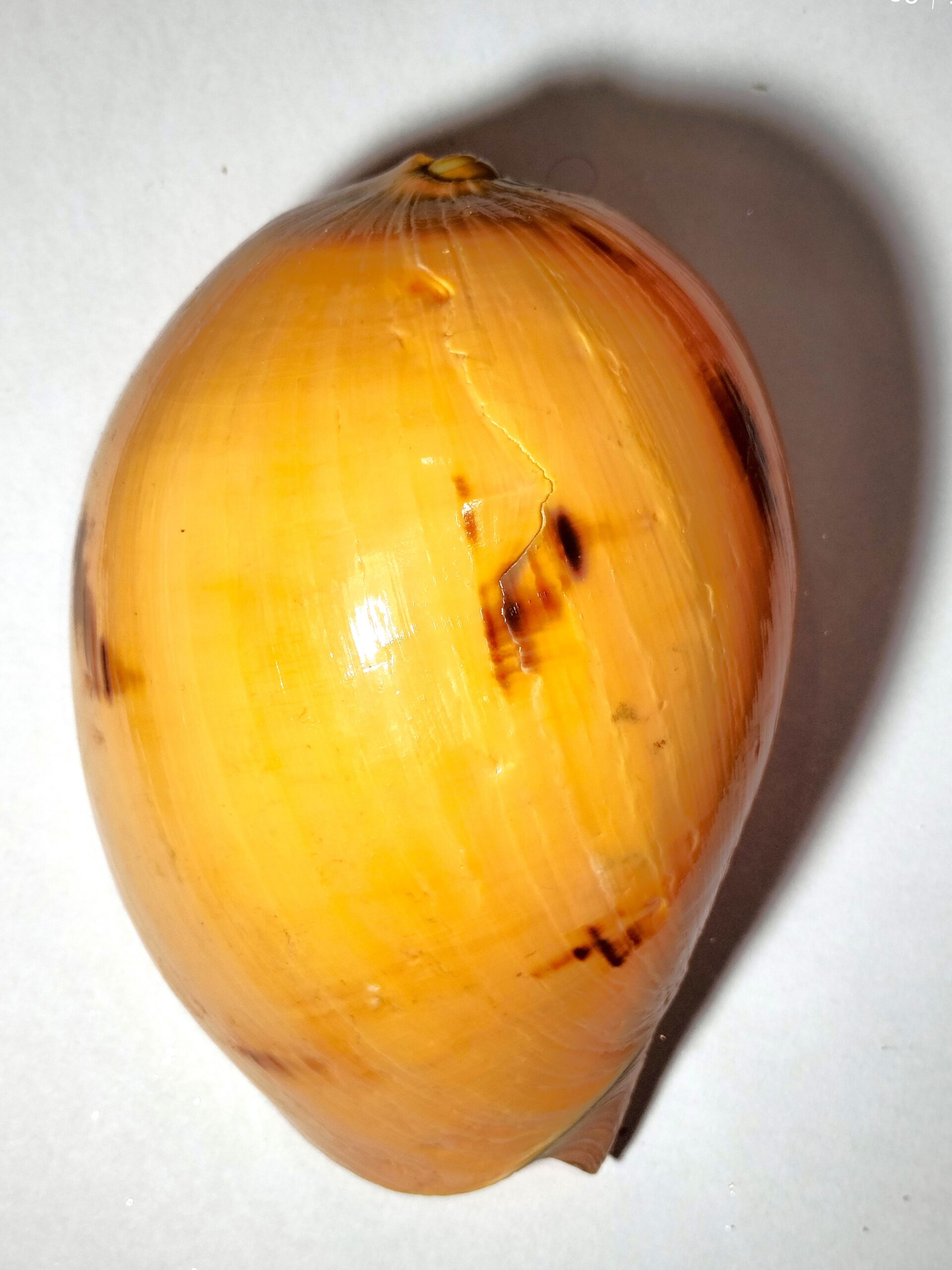
Mango/Elephant Shell

This golden vessel sculpted from the ocean’s heart, cradles the silent promise of prosperity and grace! This beautiful specimen is of Cymbium olla, commonly known as the Mango Shell or Melon Shell or Bael Shell or Dhanakarshan Shankh. The sound and presence of the shell are believed to purify the environment, dispel negative energies (drishti), and invite divine vibrations. As the name suggests, the Dhanakarshan Shankh is specifically revered for its power to attract wealth, good fortune, and financial stability. It is strongly associated with Goddess Lakshmi.
Keeping this shell in the home or workplace is believed to rectify Vastu Dosha (architectural defects) and balance the energy flow, creating peace and harmony. In Ayurveda, water or milk stored within these shells overnight absorbs their calcium and mineral properties. Consuming this liquid “teerth” is believed to improve digestion, skin health, and overall immunity. The primary use is placing the shell on the main worship altar (puja mandir) in a clean red or yellow cloth. It is adorned with sandalwood paste, vermillion (kumkum), and fresh flowers. It is a non-blowing shell that is used ceremonially to hold and pour holy water (Gangajal) or milk over the main deity (such as Lord Vishnu or Goddess Lakshmi) during ritual bathing. Because it is the “wealth-attracting conch,” a very common practice is to wrap this specific shell in a clean red cloth and place it inside the home safe, cash box (tijori), or wallet to ensure it remains full and wealth continues to grow. It is also used for decorative work. purposes.

View Details »

Mango/Elephant Shell

A golden fruit of the deep ocean, ripening with the silent blessings of Goddess Lakshmi to manifest abundance! The Cymbium olla (Melon Shell, Dhanakarshan Shankh) is a highly revered non-blowing shell in Hindu tradition, particularly associated with wealth and good fortune. It is believed to dispel negative energies associated with lack, helping to clear obstacles to financial success and reduce debt. The presence of this sacred object purifies the environment, dispelling negative vibrations, the “evil eye” (drishti), and lethargy. Keeping the Dhanakarshan Shankh in a home or workplace is believed to correct Vastu Dosha (architectural flaws related to energy flow), particularly in the North or East directions, which are associated with wealth. The most common use is placing the shell prominently on a clean, elevated platform (mandap) or on a red cloth within the home temple. It is worshipped daily with flowers, sandalwood paste (chandan), and kumkum. It is a central element in pujas dedicated to Goddess Lakshmi, especially during Diwali or Fridays. It may be bathed in milk or honey during the ritual. A very common practice is to wrap the shell in a clean red or yellow silk cloth and place it inside a home safe, cash box (tijori), or wallet. This symbolizes “inviting wealth to live where wealth is kept.” While primarily a non-blowing shell, it can be used to hold and pour consecrated water or milk over a primary deity (like Lord Vishnu or Goddess Lakshmi) during a ritual bath.

View Details »

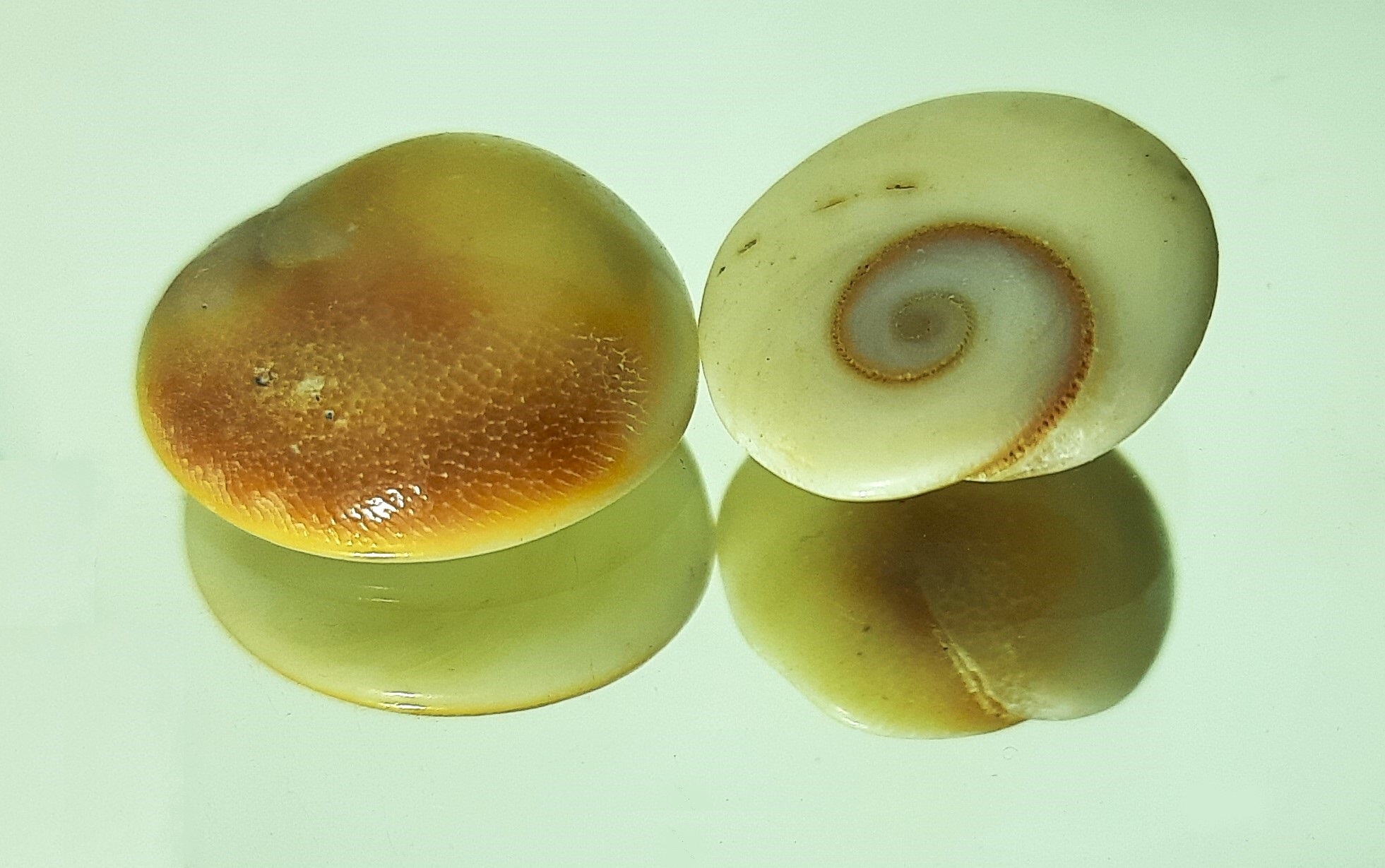
Gomati Chakra

These pearlescent eyes of the divine, bear the spirals of creation and the silent blessings of Goddess Lakshmi! Gomathi Chakra is the operculum of a kind of rare sea snail in the family Turbinidae and is found in the Gomathi River, Dwarka. It is considered extremely auspicious in Hindu Dharma, especially in Vaishnava traditions, where they are revered as a sacred symbol of Lord Vishnu and Goddess Lakshmi. Keeping it in the home or cash box is said to attract wealth, good fortune, and financial stability, ensuring the treasury never runs empty. The chakra shape represents Lord Vishnu’s Sudarshan Chakra. It is thought to create a powerful protective shield around the household, warding off negative energies, black magic, evil spirits, and the “evil eye” (buri nazar). The shell is highly effective in correcting Vastu Dosha (architectural flaws). Placing 11 Gomati Chakras in the foundation of a home or burying them in the four corners is believed to neutralize negative energy and restore harmony. When strung together to make a necklace or bracelet for children, it is believed to protect them from illnesses and promote overall well-being. It is also used in certain Ayurvedic medicinal preparations. Worshipping the Gomati Chakra is said to remove obstacles and bring success in business, legal matters, and personal undertakings. Keeping a pair in the bedroom is sometimes associated with promoting harmony and reducing conflict between couples. During Diwali, these shells are ceremonially worshipped to invite the blessings of Goddess Lakshmi for the coming year. Often, they are placed in a pot of rice or a silver bowl. Some people hang a bundle of 7 Gomati Chakras tied with black thread above the main door to prevent evil eye and negative energy from entering. They may be included in the sacred mixture used for abhishekam (ritual bathing) of the deities, particularly Lord Vishnu during special occasions.

View Details »

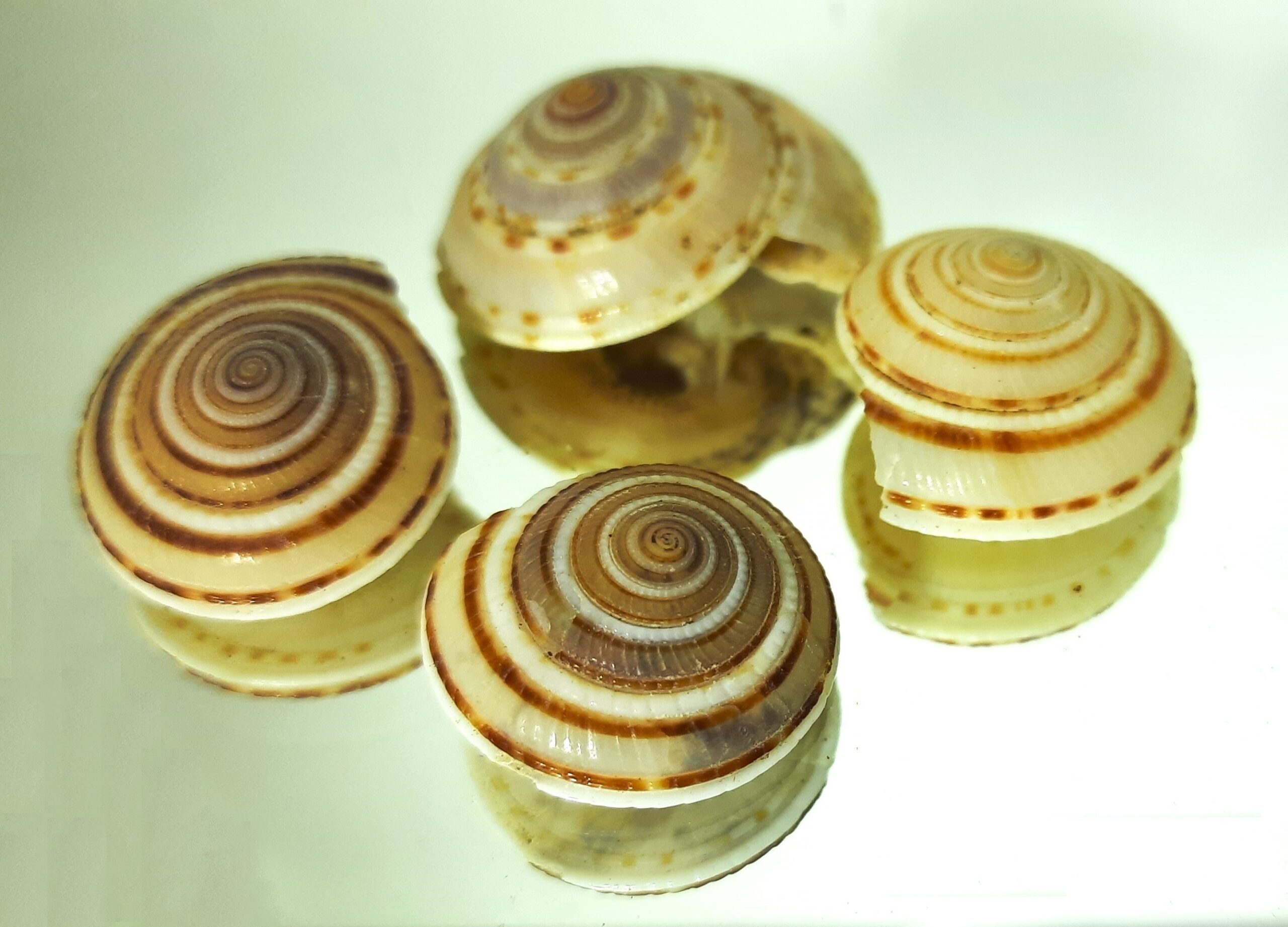
Vishnu Chakra shells (Shankh)

This eternal wheel of protection carved by divinity, holds the endless rhythm of the cosmos in a pearl! Vishnu Chakra (also called Sudarshana Chakra or Naag Chakra) shell is a naturally formed exoskeleton of a marine snail. It is also known as the Dakshinavarti Shankha (Conch Shell opening to the right). It is formed by the snail from calcium carbonate and resembles the divine spinning discus (Sudarshana Chakra) of Lord Vishnu. This eternal wheel of protection carved by divinity, holds the endless rhythm of the cosmos in a pearl! Vishnu Chakra (also called Sudarshana Chakra or Naag Chakra) shell is a naturally formed exoskeleton of a marine snail. It is also known as the Dakshinavarti Shankha (Conch Shell opening to the right). It is formed by the snail from calcium carbonate and resembles the divine spinning discus (Sudarshana Chakra) of Lord Vishnu. In Hindu tradition, it doesn’t just represent Lord Vishnu; it is believed to be a direct physical conduit for his Sankalpa Sakthi (divine will) and the cosmic sound of creation (Om). The shell is naturally compact, typically measuring between 1 to 3 centimeters in diameter. It is characterized by an elevated shell structure on one side and a flat, spiral whirl pattern on the other. It symbolizes the powerful weapon of Lord Vishnu and is believed to ward off negative energies and evil influences. These natural shells are sourced from coastal regions in India, such as Ramanathapuram, Tamil Nadu, and various parts of the Indian Ocean basin. In Vedic astrology, it is occasionally kept or worshipped to counter specific horoscope afflictions like Naag dosh or Sarpa Dosha. It is used in rituals to invite wealth, good health, and protection. It is regarded as a form of Goddess Lakshmi (the consort of Lord Vishnu) and is kept in cash boxes, home altars, or safes to bless the home with wealth, good fortune, and financial stability. Its presence is said to purify the atmosphere, dissolve Vastu Dosha (architectural faults), and bring peace, harmony, and tranquility to the household. It aids in meditation, increases focus, and helps in attaining spiritual awakening by clearing the mind and activating positive chakras within the body. The shell is naturally compact, typically measuring between 1 to 3 centimeters in diameter. It is characterized by an elevated shell structure on one side and a flat, spiral whirl pattern on the other. It symbolizes the powerful weapon of Lord Vishnu and is believed to ward off negative energies and evil influences. These natural shells are sourced from coastal regions in India, such as Ramanathapuram, Tamil Nadu, and various parts of the Indian Ocean basin. In Vedic astrology, it is occasionally kept or worshipped to counter specific horoscope afflictions like Naag dosh or Sarpa Dosha. It is used in rituals to invite wealth, good health, and protection. It is regarded as a form of Goddess Lakshmi (the consort of Lord Vishnu) and is kept in cash boxes, home altars, or safes to bless the home with wealth, good fortune, and financial stability. ts presence is said to purify the atmosphere, dissolve Vastu Dosha (architectural faults), and bring peace, harmony, and tranquility to the household. It aids in meditation, increases focus, and helps in attaining spiritual awakening by clearing the mind and activating positive chakras within the body. Vishnu Chakra shell is used for Abhishekam (Ritual Bathing); wherein, the shell is used to pour holy water (Gangajal) or milk over idols of deities (especially Shaligram Shila or Lord Vishnu) during daily worship rituals. It is also used for Water Offering (Teertham); wherein, water is stored inside the shell overnight (or for a few hours) and then consumed by devotees in the morning as Teertham (holy water), believed to bestow health and blessings.

View Details »